
Is Hyperbaric Oxygen Therapy Safe?
What Science, Standards, and Clinical Oversight Say
A common and important question patients ask is: is hyperbaric oxygen therapy safe? As interest in advanced recovery and longevity-focused medical treatments grows, more people are exploring hyperbaric oxygen therapy (HBOT) for healing, performance, and overall health optimization.
Like any medical treatment, safety depends on how the therapy is delivered, who provides it, and whether proper protocols are followed.
At Huemn, hyperbaric oxygen therapy is approached with a clinical-first mindset, prioritizing patient screening, physician oversight, and evidence-based safety measures.
Understanding how hyperbaric oxygen therapy works, what risks exist, and how those risks are mitigated helps patients make informed decisions with confidence.
Key Takeaways
Hyperbaric oxygen therapy is considered safe when properly monitored and delivered by trained healthcare providers
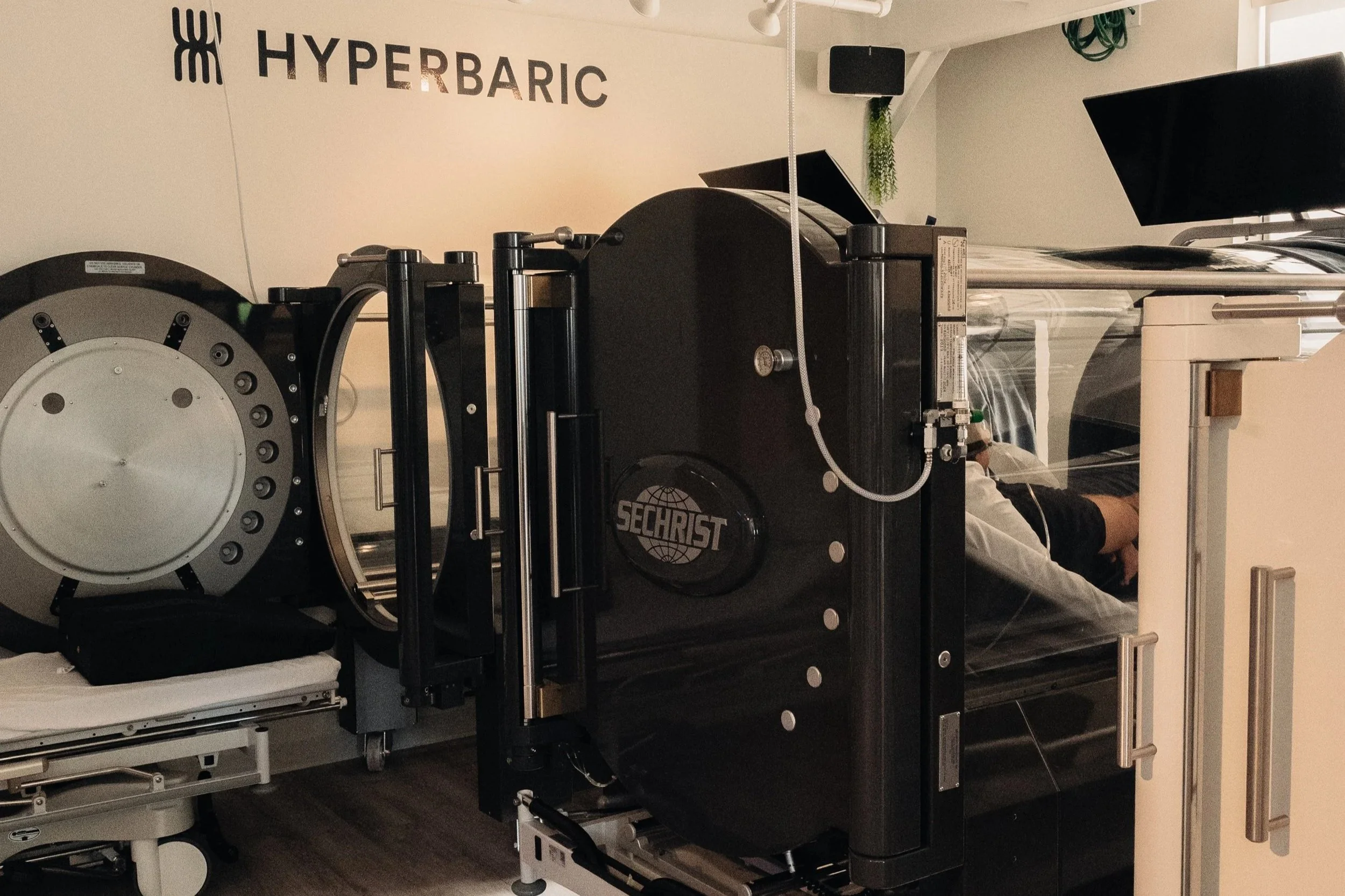
Treatment occurs in a hyperbaric oxygen therapy chamber using increased air pressure and medical-grade oxygen
Safety depends on screening, proper training, and adherence to manufacturer’s instructions
Most adverse events are mild and preventable with proper protocols
Clinics like Huemn follow strict safety measures to minimize risk
Common Safety Questions About Hyperbaric Oxygen Therapy
Hyperbaric oxygen therapy has been used for decades in hospital-based and outpatient settings. It is commonly applied to treat conditions such as carbon monoxide poisoning, decompression sickness, certain chronic wounds, and complex infections.
Concerns typically center around:
Exposure to pure oxygen
Changes in air pressure
The pressure inside the chamber
Whether receiving hyperbaric oxygen therapy can cause long-term harm
When administered correctly, HBOT is designed to increase oxygen delivery safely, not overwhelm the body with too much oxygen.
How Hyperbaric Oxygen Therapy Works
During hyperbaric oxygen treatment, a patient enters a special chamber where the air pressure inside is higher than normal air pressure.
While patients normally breathe normal air, HBOT allows them to breathe oxygen in an environment with increased air pressure.
This process allows:
Blood plasma to carry more oxygen
Oxygen to reach injured tissues
Support for forming new blood vessels
Improved oxygen diffusion into compromised areas
In contrast to normal air, this controlled environment delivers enough oxygen to support healing without exceeding safe thresholds
Safety Standards & Medical Oversight
Medical-grade hyperbaric oxygen therapy follows guidelines established by organizations such as the Undersea and Hyperbaric Medical Society (UHMS) and applicable regulatory agencies. These standards outline how healthcare providers should safely evaluate patients, operate hyperbaric chambers, and maintain equipment to ensure patient safety.
At Huemn, safety protocols include:
Physician evaluation prior to receiving hyperbaric oxygen therapy
Comprehensive screening for contraindications such as untreated pneumothorax (collapsed lung), significant lung disease, or recent ear or sinus surgery
Continuous patient monitoring throughout each session
Strict adherence to manufacturer specifications, including required maintenance intervals and approved cleaning procedures
Use of FDA-cleared, medical-grade hyperbaric chambers designed for human use
Compliance with ASME PVHO-1 standards, the nationally recognized safety code governing the design, fabrication, testing, and operation of pressure vessels for human occupancy
It is important to note that not all hyperbaric chambers on the market meet these medical and engineering standards. Some imported or consumer-grade chambers—particularly certain overseas-manufactured systems—have not undergone FDA clearance or full PVHO-1 certification. These devices may bypass established regulatory pathways and lack the rigorous testing, documentation, and safety redundancies required for medical use.

Potential Risks & Adverse Events
While hyperbaric oxygen therapy is generally well tolerated, potential risks may include:
Middle ear injuries or temporary ear pain due to pressure changes
Rare cases of oxygen poisoning if exposure limits are exceeded
Temporary changes in blood sugar, especially in patients with diabetes
Very rare events such as gas embolism, lung collapse, or central nervous system effects
Serious adverse events are uncommon when patients are properly screened and monitored. Most adverse events are mild, temporary, and manageable.
Fire Safety & Equipment Protocols
Because hyperbaric oxygen involves elevated oxygen levels, clinics must follow strict fire prevention standards. Huemn implements comprehensive safety measures, including:
Ensuring patients wear clothing approved for hyperbaric environments
Avoiding synthetic materials, static devices, and potentially prohibited electronic items
Using hyperbaric-compatible materials inside the chamber
Following manufacturer's recommended cleaning procedures
Ensuring proper grounding equipment and additional grounding measures to reduce fire risks
These protocols help prevent electrical or static devices from creating hazards in oxygen-rich environments.
Why Proper Monitoring Matters
Hyperbaric oxygen therapy should always be properly monitored by trained professionals. Qualified healthcare providers understand how to adjust air pressure inside the chamber, monitor vital signs, and recognize early warning signs of complications.
At Huemn, every patient is supervised by trained staff who:
Monitor blood pressure
Watch for signs of heightened risk
Adjust treatment protocols as needed
Ensure patients remain safe and comfortable throughout each session#
Hyperbaric Oxygen Therapy at Huemn
Huemn approaches hyperbaric oxygen therapy as a medical treatment, not a wellness trend. Every protocol is designed around patient safety, individualized care, and evidence-based application.
Huemn’s hyperbaric program emphasizes:
Physician-guided treatment planning
Use of FDA-cleared, medical-grade hyperbaric chambers designed for human use
Compliance with ASME PVHO-1 standards, the nationally recognized safety code governing the design, fabrication, testing, and operation of pressure vessels for human occupancy
Strict adherence to safety standards
Ongoing patient education and transparency
Whether addressing recovery, chronic conditions, or performance optimization, Huemn ensures hyperbaric oxygen therapy is delivered responsibly and safely.
FAQs
-
The FDA recognizes hyperbaric oxygen therapy for specific medical conditions, while emphasizing it should be delivered under medical supervision.
-
Patients with certain lung conditions require careful screening, but lung-related complications are rare when protocols are followed.
-
The number of sessions varies based on medical need and is determined by healthcare providers.
-
Long-term use can be safe when medically indicated and properly monitored.
-
Patients with untreated lung collapse, certain ear conditions, or specific medical contraindications should be evaluated before treatment.
Summary
So, is hyperbaric oxygen therapy safe? When delivered in a medically supervised setting like Huemn, with proper screening, monitoring, and safety protocols, hyperbaric oxygen therapy has a strong safety record.
The key is not just the therapy itself, but how and where it’s provided. Choosing experienced healthcare providers who prioritize safety ensures patients receive the benefits of hyperbaric oxygen therapy while minimizing risk.
If you’re considering hyperbaric oxygen therapy, a professional consultation can help determine whether it’s appropriate for your health goals.