
Advanced Blood Panel Houston
~70 biomarkers. Deep clarity. One test.
Physician-guided. Results in 5–7 business days.
Includes personalized dashboard & provider review.
Complete Panel
$499
An analysis of ~70 biomarkers
In-house blood and urine collection — no lab visit or outside appointment needed
A personalized Huemn Optimization Health Dashboard
A discounted 45-minute bloodwork review with a Huemn Provider
A targeted plan customized to your specific goal
No referral required
The Foundation of Every Decision We Make Together
Without data, every health protocol is a guess.
Most people choose wellness treatments based on how they feel — or what they've heard. Without biomarker data, even the most advanced therapies can miss the root of your concern entirely.
Your Advanced Panel changes that. Every result connects directly to the specific systems that need support — and to the modalities we offer to address them. Your data becomes your roadmap.
01 — Test
Your Advanced Panel
02 — Understand
Map What's Actually Off
03 — Act
Choose the Right Modalities
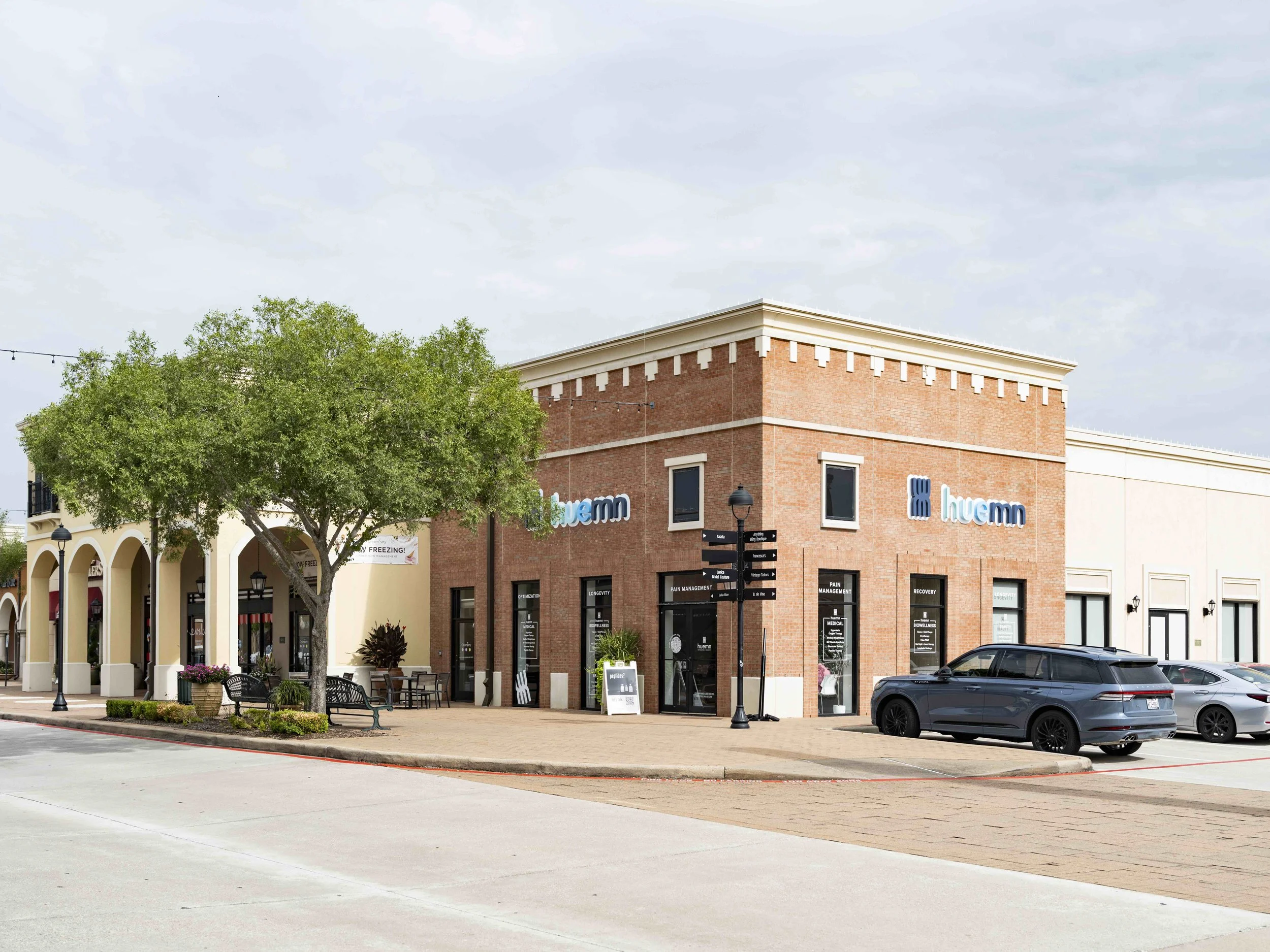
Houston's Most Trusted Functional Medicine Clinic
Rated 5 stars across two Houston locations by hundreds of verified patients.
Live reviews powered by Google · Verified patient feedback · Updated automatically
Every Marker We Test. By Category.
All 74 markers across 8 health categories, verified against the panel catalog. Select your gender, then tap a category to see exactly what's inside.
Both panels are gender-specific. Tap any category below to expand its markers. Female view shown.
What You Get
What Is the Huemn Advanced Blood Panel?
Our Advanced Blood Testing goes far beyond standard labs — analyzing comprehensive markers across hormones, inflammation, cardiovascular risk, nutrient status, metabolic function, immune balance, and early disease indicators. At our Houston clinics, physician-guided panels give you the clarity needed for a truly personalized wellness and longevity plan.
~70
Biomarkers
Analyzed
$499
All-Inclusive
Price
5–7 Days
Results
Turnaround
45 Min
Provider Review
Included
+ Personalized Huemn Optimization Health Dashboard included with every panel.
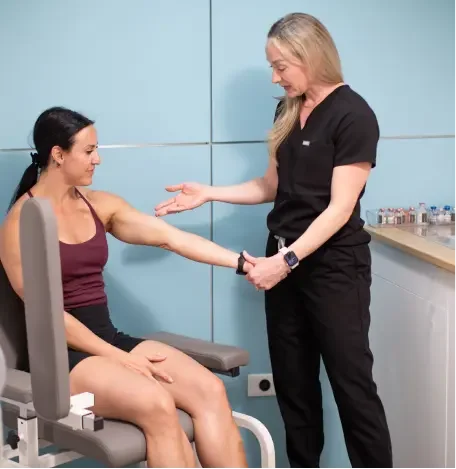

Every Panel Is Reviewed by a Licensed Provider
Dr. Juan Garcia, MD
Board Certified · Licensed in Texas · 12+ Years in Integrative & Functional Medicine
Your Advanced Panel isn't just a lab report — it's a clinical conversation. Every result is reviewed by a licensed Huemn provider trained in functional and integrative medicine. They'll interpret your biomarkers in context, identify patterns that standard labs often miss, and build a personalized plan around your specific goals — whether that's performance, longevity, hormone balance, or metabolic health. No guesswork. No generic advice. Just data-driven care.
FAQs
Common Questions About the Advanced Panel
Yes — we recommend fasting for 10–12 hours before your draw. Water is fine and encouraged. Fasting is required for accurate glucose, insulin, triglyceride, and lipid readings. If you're on medications, take them as normal unless your provider advises otherwise. Morning appointments work best since most people are already fasted overnight.
The Baseline Panel (55 markers, $299) covers the essentials — CBC, metabolic panel, thyroid, core hormones, and cardiovascular risk. It's the right starting point for most people. The Advanced Panel (70–73 markers, $499) goes deeper, adding markers like ApoB, Lp(a), fasting insulin, cortisol, estrone, FSH, LH, IGF-1, IGFBP-3, ferritin, homocysteine, ANA screen, and key micronutrients. It's built for people who want full-picture clarity on hormones, inflammation, and longevity risk.
The in-house blood draw takes 10–15 minutes. Results are delivered to your personalized Huemn Health Dashboard within 5–7 business days. Your 45-minute provider review is then scheduled to walk through findings, identify patterns, and build your personalized protocol. No waiting rooms, no external lab visits — everything happens in-clinic.
Every panel is reviewed by Dr. Juan Garcia, MD — board certified, licensed in Texas, with 12+ years in integrative and functional medicine. Your results aren't just numbers on a page. Dr. Garcia interprets your biomarkers in clinical context, identifies patterns standard labs overlook, and translates findings into a targeted plan aligned with your goals — whether that's performance, longevity, hormone balance, or metabolic health.
Yes — and it's especially valuable if you are. If you're on TRT, HRT, GLP-1s (like semaglutide), peptides, or other protocols, the Advanced Panel gives your provider a full picture of how your body is responding. It helps fine-tune dosing, catch any downstream effects on liver, kidney, or metabolic markers, and ensure your current protocol is actually working. Bring a list of your current medications and supplements to your appointment.
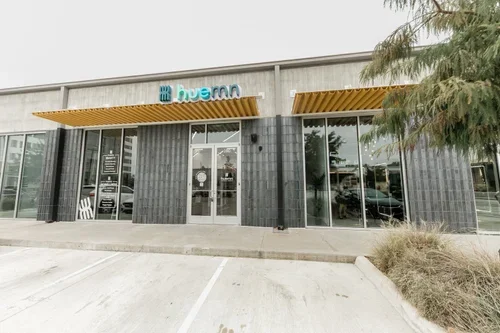
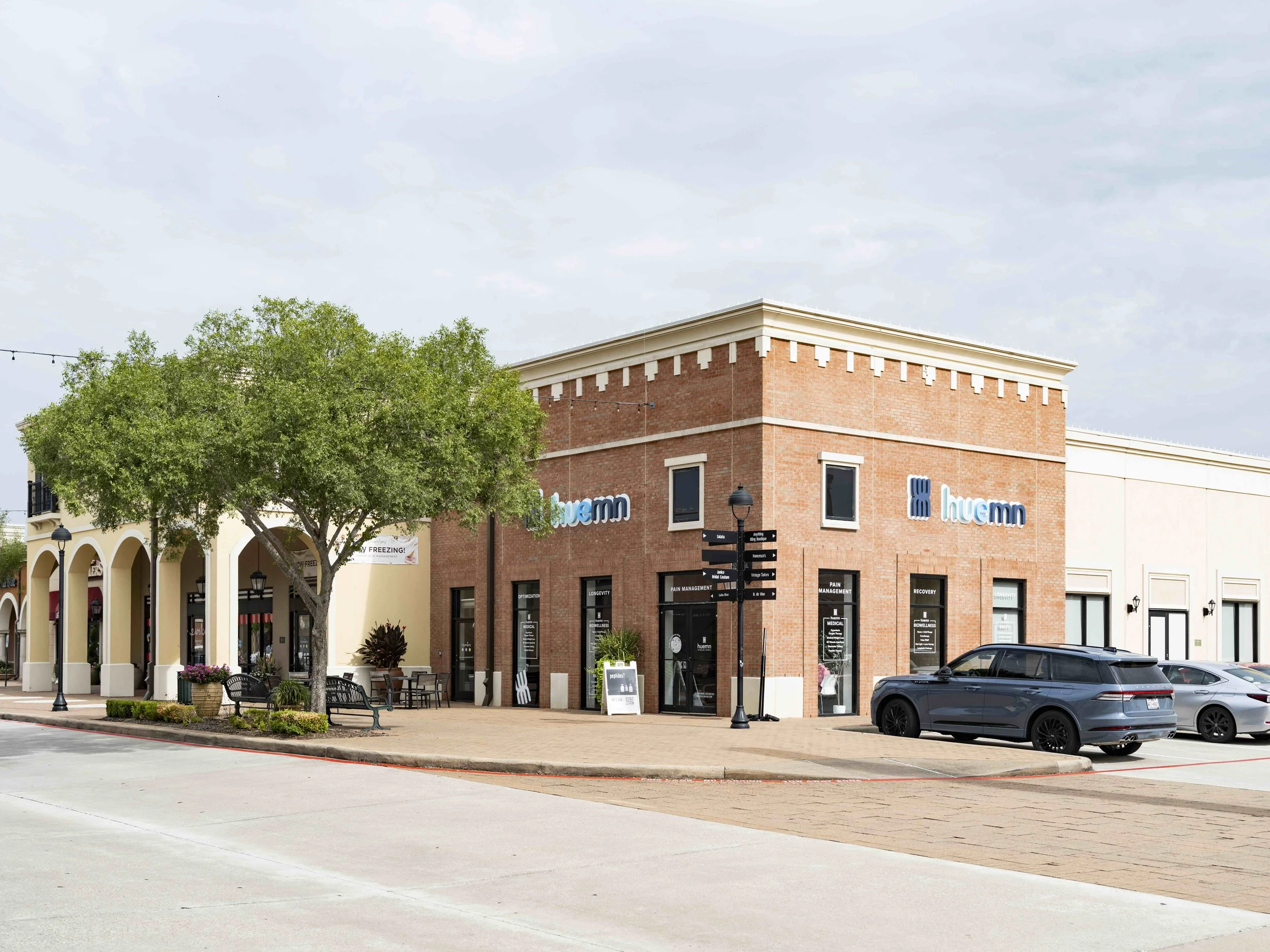
Yes. The Advanced Blood Panel is available at both Huemn clinic locations — Heights at MKT and Vintage Park. All draws are performed in-house by our clinical team. No outside lab visit needed. When booking, you'll be able to select your preferred location and time.
Get Started
Ready to Know Your Numbers?
Fill out the form below and our team will reach out to schedule your Huemn Advanced Panel at our Houston location.
Get Your Advanced Panel
in Houston
If you're searching for lab testing in Houston, Huemn offers one of the city's most comprehensive physician-guided biomarker panels — with in-house blood and urine collection at both locations.
No outside lab visit needed. Our Heights and Vintage Park clinics are staffed by trained clinicians operating under physician supervision, with results delivered in 2–3 days.

 Mon – Fri: 8:00 AM – 7:00 PM
Sat – Sun: 10:00 AM – 5:00 PM
 (832) 979-5618
 Mon – Fri: 8:00 AM – 7:00 PM
Sat – Sun: 10:00 AM – 5:00 PM
Get Started
Stop Guessing. Start Knowing.
Available at both Houston locations — MKT Heights & Vintage Park
BOOK NOW — $499