
Hyperbaric Oxygen Therapy for Surgical Recovery
Supporting the healing process when recovery matters most
Surgical recovery is a critical phase where proper healing, inflammation control, and tissue repair directly impact outcomes.
As patients increasingly seek ways to support the healing process after surgery, particularly in plastic and reconstructive procedures, interest in hyperbaric oxygen therapy for surgical recovery continues to grow.
Hyperbaric oxygen therapy has long been used in hospital and specialty settings for wound healing, infectious diseases, and complex medical conditions. Today, it is also being explored as a supportive therapy to help patients heal properly, reduce swelling, and optimize recovery following surgery.
At Huemn, hyperbaric oxygen therapy is approached with medical oversight, individualized planning, and a clear understanding of where HBOT can support, but not replace, surgical care.
Key Takeaways
Hyperbaric oxygen therapy may support surgical recovery by improving oxygen delivery
Increased oxygen availability can aid wound healing and tissue repair
HBOT may help reduce inflammation and swelling after surgery
Medical supervision and patient screening are essential
Huemn integrates HBOT as part of a broader recovery strategy
What Is HBOT?
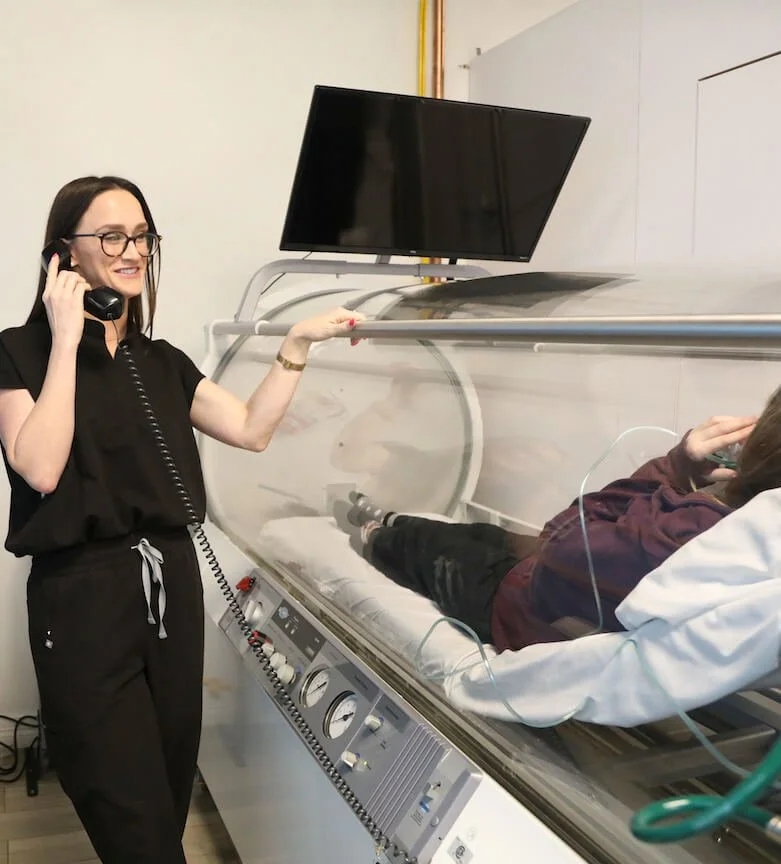
Hyperbaric oxygen therapy involves breathing pure oxygen inside a pressurized chamber where pressure is higher than normal air pressure.
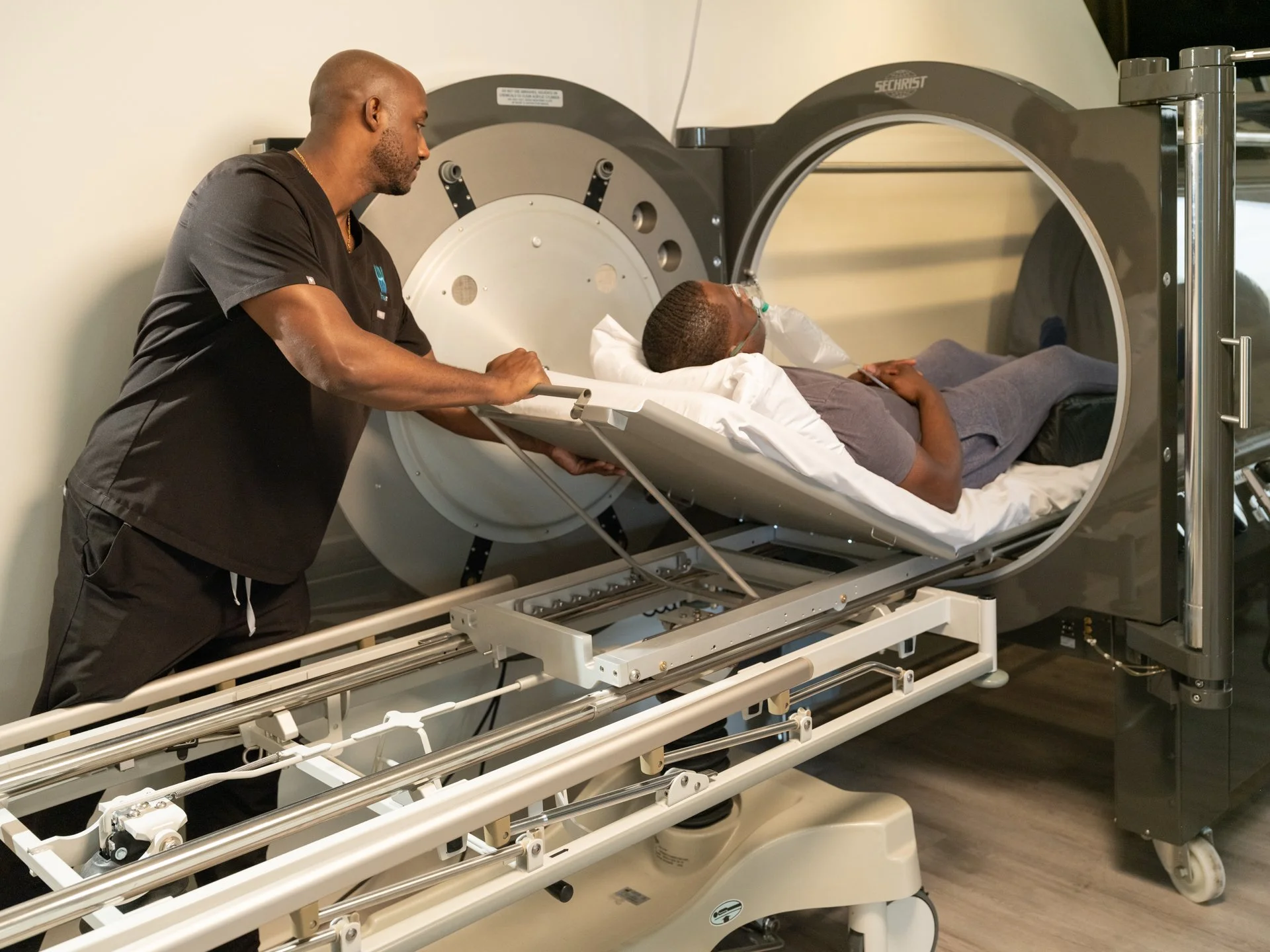
This environment allows oxygen to dissolve more effectively into the blood than when breathing normal air. During treatment, oxygen is delivered through a hyperbaric chamber, either a hard chamber or soft chamber, enabling the body to receive more oxygen than would otherwise be possible.
This increased oxygen availability supports oxygen therapy at the tissue level and enhances the body’s ability to respond to injury.
HBOT has been used for decades in conditions such as carbon monoxide poisoning, decompression sickness, crush injury, burn injuries, and nonhealing wounds
How Oxygen Supports the Healing Process
Oxygen plays a central role in the healing process. After surgery, tissues often experience reduced blood flow, swelling, and inflammation. All of which can limit oxygen delivery to injured tissues.
Adequate oxygen levels help:
Support white blood cells and immune system function
Improve red blood cells’ oxygen delivery
Promote new blood vessels through angiogenesis
Assist stem cells involved in tissue repair
Help fight bacteria and reduce infection risk
By delivering extra oxygen under pressure, hyperbaric oxygen therapy helps ensure tissues receive enough oxygen to repair tissues, reduce tissue damage, and support recovery.
HBOT and Surgical Recovery
Hyperbaric oxygen therapy is increasingly explored as a supportive tool for surgical recovery, particularly when healing may be delayed or complicated.
Research, including retrospective study data, has examined how HBOT may:
Improve wound healing
Reduce swelling and inflammation
Support damaged tissue and connective tissues
Enhance blood flow and oxygen diffusion
Support antibiotic efficacy in infected tissue
Some studies comparing HBOT groups to a non HBOT group have reported faster healing timelines in certain contexts, though outcomes vary by patient, procedure, and protocol.
Importantly, HBOT is not a replacement for surgical care, it is used to support healing alongside standard treatment.
Applications in Plastic Surgery and Soft Tissue Healing
Plastic surgery recovery is one area where hyperbaric oxygen therapy has gained particular attention. Procedures involving soft tissue manipulation can temporarily disrupt blood vessels and oxygen delivery, increasing the risk of delayed healing.
HBOT may be considered to support:
Soft tissue healing
Reduction of swelling and bruising
Healing of chronic wounds or compromised incisions
Recovery after reconstructive or cosmetic procedures
By improving oxygen supply to injured tissues, HBOT may help patients heal properly and reduce complications related to tissue death or infection.
Safety, Monitoring, and Patient Selection
Hyperbaric oxygen therapy is considered a safe treatment when delivered under medical supervision. However, not every patient is an ideal candidate.
A qualified healthcare provider will evaluate for:
Lung disease or history of lung collapse
Risk of oxygen poisoning
Ear pain or middle ear injuries
Blood sugar stability, including low blood sugar
Certain medical conditions that require caution
Potential side effects may include temporary ear discomfort related to pressure changes. Monitoring ensures risks such as gas embolism are minimized.
At Huemn, patient screening and ongoing supervision are integral to care.tion itself.
Hyperbaric Oxygen Therapy at Huemn
Huemn offers hyperbaric oxygen therapy as part of a comprehensive, recovery-focused approach. Treatment plans are individualized, and HBOT sessions are coordinated with surgical timelines and recovery goals.
Huemn emphasizes:
Physician oversight and trained healthcare providers
Use of medical-grade hyperbaric oxygen therapy chambers
Clear guidance on how many sessions may be appropriate
Integration with broader wound care and recovery strategies
Whether supporting recovery after plastic surgery or managing complex healing challenges, Huemn approaches HBOT with safety, education, and personalization at the forefront.
FAQs
-
By increasing oxygen delivery to tissues, HBOT may help reduce inflammation, support wound healing, and improve tissue recovery.
-
Timing varies and should be determined by a healthcare provider based on the procedure and patient condition.
-
The number of sessions depends on individual needs and surgical context.
-
When properly screened and monitored, HBOT is generally well tolerated.
-
No. HBOT is used as a supportive therapy alongside standard surgical recovery protocols.
Summary
Hyperbaric oxygen therapy for surgical recovery represents a growing area of interest in modern recovery care. By increasing oxygen availability, supporting blood flow, and enhancing the body’s natural healing mechanisms, HBOT may play a valuable supportive role following surgery.
When delivered responsibly and under medical supervision, hyperbaric oxygen therapy can complement surgical care and help patients recover with greater confidence and clarity.
For individuals exploring advanced recovery options, Huemn offers a medically guided environment where recovery strategies are tailored to each patient’s needs.
Medical Disclaimer
The information provided on this page is for educational purposes only and is not intended as medical advice. Hyperbaric oxygen therapy is not intended to replace surgical care or treat medical conditions independently.
Treatment decisions should always be made in consultation with qualified healthcare providers. Individual outcomes vary based on medical history, procedure type, and clinical evaluation.