
Is Your Diet Fueling Chronic Inflammation? Here's How to Tell

Inflammation has a branding problem. We talk about it like it's the villain, but inflammation is actually one of your body's best features. Cut your finger, roll your ankle, catch a virus, and inflammation is the emergency response that rushes in, contains the damage, and starts the repair. Sharp, short, and gone. That's how it's meant to work.
Chronic inflammation is different. It's the emergency response that never stands down. A low, constant, body-wide simmer that most people can't point to, but can absolutely feel: the stiffness, the fatigue, the fog, the aches that have quietly become normal.
And here's the part that matters for this conversation: for most people, the single biggest daily input feeding that simmer is what's on their plate. So let's answer the question in the title properly. Is your diet fueling chronic inflammation, and how would you know?
How to Tell If Chronic Inflammation May Be Part of Your Picture
Chronic inflammation is sneaky precisely because it rarely announces itself. There's no single symptom, no obvious alarm. Instead, it tends to show up as a cluster of things that are easy to dismiss individually:
Joint stiffness or aches, especially in the morning
Fatigue that rest doesn't fully resolve
Brain fog and sluggish thinking
Skin issues that flare and settle
Digestive discomfort, bloating, or irregularity
Frequent minor illness, or slow recovery from workouts and injuries
Poor sleep despite decent habits
Gradual weight gain around the middle that resists your usual efforts
Now the diet test. Ask yourself honestly:
Does most of what you eat come from a packet, a drive-through, or a delivery app?
Are sugary drinks, snacks, or desserts a daily fixture rather than an occasional one?
Do refined carbs (white bread, pastries, chips) outnumber vegetables on a typical day?
Is alcohol a most-days habit?
Could you count the different plants you ate this week on one hand?
If several symptoms from the first list line up with several yeses from the second, that's not a diagnosis. But it's a pattern, and patterns are worth investigating rather than ignoring.
One important line before we go further: persistent symptoms deserve proper medical attention. Ongoing joint pain and swelling, unexplained fevers, significant fatigue, or symptoms that are worsening are reasons to see a doctor, not to self-prescribe a diet overhaul and hope. Inflammatory conditions like rheumatoid arthritis and autoimmune diseases are real, treatable, and diagnosed with proper testing. Rule the serious stuff out first. Always.
How Diet Drives Inflammation
The mechanism is worth understanding, because once you see it, food choices stop being about willpower and start being about chemistry.
Blood sugar spikes. Refined carbs and added sugar send blood glucose surging. Repeated spikes trigger inflammatory signalling and, over time, promote insulin resistance, which is itself inflammatory. It's a loop that feeds itself.
Ultra-processed ingredients. Industrial seed oils in heavy use, additives, and the general fibre-stripped nature of ultra-processed food consistently associate with higher inflammatory markers in research.
A starved microbiome. Your gut bacteria feed on fibre. Starve them with a low-plant diet and the gut lining suffers, becoming more permeable and letting inflammatory signals leak body-wide. Around 70% of your immune tissue sits in and around the gut, so what happens there doesn't stay there.
Visceral fat. Excess fat around the organs isn't inert storage. It's metabolically active tissue that actively secretes inflammatory compounds. This is why body composition and inflammation travel together, and why the fix is never just cosmetic.
Alcohol. Regular drinking irritates the gut lining, burdens the liver, and disrupts the sleep your body needs to regulate inflammation overnight.
None of this means one takeaway meal sets you on fire. Inflammation responds to patterns, not moments. Which is also the good news: patterns can be changed.
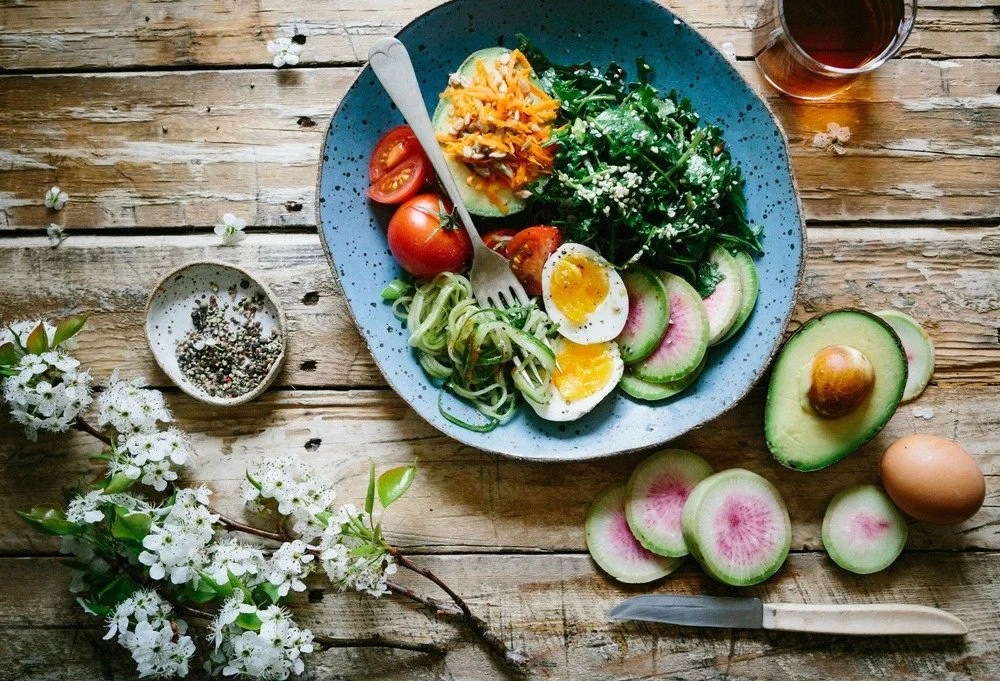
The Anti Inflammatory Diet: What to Eat More Of
Searches for the anti inflammatory diet have exploded, and beneath the trend is something genuinely solid: a consistent body of research showing that certain eating patterns, most famously the Mediterranean pattern, associate with lower inflammatory markers and better long-term health.
Here's the honest version, without the packaging. An anti inflammatory diet isn't a product, a cleanse, or a list of superfoods. It's a pattern, built from:
Colorful vegetables and fruit. The polyphenols and antioxidants that give plants their colour are among the most studied anti-inflammatory compounds there are. Berries, leafy greens, tomatoes, peppers, cruciferous vegetables. Variety and volume both matter, with a wide weekly rotation feeding a more resilient microbiome.
Oily fish. Salmon, sardines, mackerel, anchovies. The omega-3 fats EPA and DHA are directly involved in resolving inflammation, and most people eating a Western diet are short on them. Two servings a week is the common benchmark.
Extra virgin olive oil. The backbone fat of the Mediterranean pattern, rich in oleocanthal, a compound with well-documented anti-inflammatory properties.
Nuts and seeds. Walnuts, almonds, flax, and chia bring fibre, minerals, and healthy fats in one package.
Legumes and whole grains. Beans, lentils, oats, and quinoa deliver the fermentable fibre your gut bacteria turn into short-chain fatty acids, compounds that directly calm inflammation at the gut lining.
Fermented foods. Yoghurt, kefir, kimchi, sauerkraut. Live cultures supporting the microbiome that regulates so much of your immune tone.
Herbs and spices. Turmeric, ginger, garlic, cinnamon. Individually modest, collectively meaningful, and a painless way to raise the plant count.
Water, coffee, and tea. Hydration supports every clearing and repair process, and both coffee and tea bring their own polyphenols. It's the sugared versions that flip the ledger.

What to Eat Less Of
The other half of the pattern, and arguably the more powerful half:
Added sugar and sugary drinks. The most direct dietary lever on inflammatory signalling most people have
Refined carbohydrates. White bread, pastries, most packaged snacks
Ultra-processed and fried food. The more of your diet that arrives pre-made, the higher your inflammatory load tends to run
Processed meats. Consistently associated with higher inflammatory markers in research
Excess alcohol. Less is better, and rest days matter
Notice what this isn't: it isn't zero anything. Perfection is not the target and never sustains. The target is the ratio, shifted meaningfully and held for months. Inflammation responds to what you do most of the time, not what you do occasionally.

Beyond the Plate: What Else Feeds the Fire
Poor sleep disrupts the overnight repair and regulation window and measurably raises inflammatory markers within days.
Chronic stress keeps stress hormones elevated, which dysregulates immune signalling over time. A nervous system stuck in overdrive is an inflamed nervous system's best friend.
Inactivity removes one of the most reliable anti-inflammatory inputs there is. Regular moderate exercise lowers inflammatory markers, and it doesn't need to be extreme. Extreme without recovery actually points the other way.
Smoking remains one of the most inflammatory habits available, full stop.
Any serious attempt at what people search as chronic inflammation treatment has to work this whole list. There is no pill, plan, or protocol that out-runs a diet, sleep, stress, and movement pattern pointed the wrong way. Anyone telling you otherwise is selling the packaging, not the progress.
Stop Guessing: Test Your Inflammation
Here's the frustrating thing about chronic inflammation: it's invisible from the outside, and symptoms alone can't tell you whether it's actually elevated, improving, or driving your specific issues.
The visible part is in your blood work. Markers like hs-CRP, alongside metabolic markers, blood sugar regulation, and nutritional status, turn "I feel inflamed" into numbers you can act on and track.
That's exactly what Huemn Labs is built for. Comprehensive panels covering inflammatory and metabolic markers, food inflammation testing for identifying your specific dietary triggers, and InBody composition scans to track the visceral fat that drives inflammatory load, all reviewed with a provider under physician oversight. Test, don't guess. Then test again and watch the numbers move.
Where Supportive Therapies Fit
Fundamentals first, always: the eating pattern, the sleep, the stress work, the movement. Nothing below replaces them. But layered on top, and guided by testing and physician oversight, supportive therapies can genuinely earn their place in an inflammation plan:
Whole body cryotherapy is one of our most popular sessions for exactly this concern, using ultra-cold exposure to support the body's inflammatory response in 3.5 minute sessions. Contrast therapy, cycling sauna heat and cold plunge, supports circulation, stress resilience, and the sleep quality inflammation regulation depends on.
Hyperbaric oxygen therapy supports oxygen delivery and the body's repair processes at the cellular level. Red light therapy and PEMF support cellular function and recovery. Class IV laser therapy targets specific painful, inflamed areas directly. Lymphatic drainage supports the clearing pathways that carry inflammatory waste out. And where stress is a driver, Shiftwave resets the nervous system in minutes, with research showing meaningful stress reductions in a single session.
Every one of these is support for a body doing the real work, not a shortcut around it. That's how we build inflammation plans at Huemn: pain and inflammation is one of the most common concerns that brings people through our doors, and every plan starts with testing, fundamentals, and physician oversight, never with promises.
The Takeaway
Inflammation isn't the enemy. Unresolved, always-on inflammation is, and for most people, diet is the biggest daily input keeping it lit. The signs are subtle, the fix is unglamorous, and that's exactly why it works: colourful plants, oily fish, olive oil, fibre, fermented foods, less sugar, less processing, better sleep, managed stress, daily movement, and patience measured in months.
If your symptoms and your eating pattern are pointing the same direction, don't guess. Get checked, get tested, and build the plan properly.
At Huemn, that's how we approach pain and inflammation: map your labs, symptoms, and goals into a plan built around what your body actually needs, with physician oversight and zero quick-fix promises.
The fire responds to what you feed it. Feed it differently.
Book your free consultation today and find out what's actually driving your inflammation.
Disclaimer: The statements and content presented in this article have not been evaluated by the U.S. Food and Drug Administration (FDA). We do not diagnose, treat, or claim to treat any health conditions. All services provided by Huemn are intended solely to promote overall wellness, and information is published for educational purposes. Always consult with a healthcare professional before making any decisions related to your health.
Frequently Asked Questions
How long does it take an anti inflammatory diet to work?
Blood sugar and energy often improve within days. Measurable shifts in inflammatory markers typically take weeks to a few months of consistency. Track it with testing rather than guessing.
What is the fastest way to reduce inflammation?
There's no honest overnight answer, but the highest-leverage moves are cutting added sugar and alcohol, shifting toward whole foods, prioritising sleep, and moving daily. Together, those four do more than any supplement.
What are the worst foods for inflammation?
Sugary drinks, added sugar, refined carbs, ultra-processed and fried foods, and processed meats are the most consistently implicated in research. The pattern matters more than any single item.
Can chronic inflammation be cured?
Chronic inflammation isn't a disease to cure but a state to address. When the drivers, diet, sleep, stress, inactivity, excess visceral fat, or an underlying condition, are identified and addressed, inflammatory markers can and do come down. Underlying inflammatory conditions need proper medical diagnosis and treatment, which is why testing and physician involvement come first.
How do I know if I have chronic inflammation?
Symptoms suggest, but blood work confirms. Markers like hs-CRP alongside metabolic and nutritional panels give you an objective baseline, and a provider can help you interpret them in context.