
The Gut-Brain Connection: How Healing Your Gut Affects Everything Else
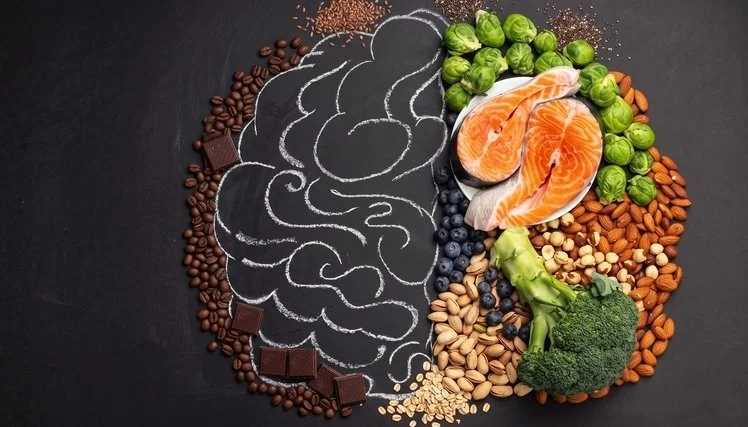
Here's a question worth sitting with: why do we say "gut feeling"? Why do nerves hit the stomach before a big meeting? Why does a stressful week show up as bloating, and a bad stomach show up as a bad mood?
Because your gut and your brain are in constant conversation. Not metaphorically. Physically, chemically, all day long. And when that conversation goes wrong, the effects show up everywhere: mood, energy, focus, sleep, skin, immunity.
So let's answer the question in the title properly, because it deserves a real answer.
What Is the Gut-Brain Connection?
The gut-brain connection, known in research as the gut-brain axis, is the two-way communication network linking your digestive system and your central nervous system. It runs through several channels at once:
The vagus nerve. A physical superhighway running from brainstem to gut, carrying signals in both directions. Roughly 80% of its fibres carry information upward, from gut to brain. Your gut talks more than it listens.
Neurotransmitters. Your gut produces many of the same chemical messengers your brain uses. An estimated 90% or more of your body's serotonin, the neurotransmitter most associated with mood, is made in the gut.
The microbiome. The trillions of bacteria in your digestive tract produce compounds that influence inflammation, brain chemistry, and stress response. Research increasingly links microbiome imbalance to mood, anxiety, and cognitive symptoms.
The immune system. Around 70% of your immune tissue lives in and around your gut. When the gut lining is irritated, inflammatory signals travel body-wide, and the brain is highly sensitive to inflammation.
The second brain. Your gut contains its own network of hundreds of millions of neurons, the enteric nervous system, which is why it can react to stress before your conscious brain has finished processing it.
So how does healing your gut affect everything else? Because everything else is listening. A calmer, better-functioning gut means steadier neurotransmitter production, lower inflammatory signalling, better nutrient absorption to fuel the brain and body, and a nervous system that isn't constantly receiving distress calls from downstairs.
That's the answer, and it's why gut health has moved from niche topic to one of the most important frontiers in wellness.
Signs Your Gut May Be Part of the Picture
Gut trouble doesn't always announce itself as gut trouble. Alongside the obvious signs, bloating, irregularity, discomfort, reflux, food reactions, it often shows up as:
Brain fog and poor concentration
Low mood or anxiety that doesn't match your circumstances
Fatigue that rest doesn't resolve
Skin flare-ups
Frequent illness
Sugar cravings that feel louder than they should
Poor sleep despite good habits
None of these prove a gut issue on their own. Together, and especially alongside digestive symptoms, they're a pattern worth investigating rather than ignoring.
One important line first: persistent digestive symptoms deserve proper medical attention. Blood in stool, unintended weight loss, persistent pain, difficulty swallowing, or a significant change in bowel habits are reasons to see a doctor promptly, not to start a wellness protocol. Rule the serious stuff out first. Always.
How to Improve Gut Health: What Actually Works
Now the practical part. If you've been searching how to improve gut health or how to heal your gut, here's the honest news: the most powerful tools are unglamorous, consistent, and largely free. That's not a letdown. That's leverage.
1. Eat more plants, and more kinds of them. Fibre diversity is the single strongest lever for a healthy microbiome. Different bacteria feed on different fibres, so variety beats any single superfood. Aim for a wide rotation of vegetables, fruits, legumes, nuts, seeds, and whole grains.
2. Add fermented foods. Yoghurt, kefir, sauerkraut, kimchi, kombucha. Fermented foods deliver live bacteria and have been associated with improved microbiome diversity and lower inflammatory markers.
3. Cut back on ultra-processed food, added sugar, and alcohol. These consistently shift the microbiome the wrong way and irritate the gut lining. You don't need perfection. You need the ratio moving in the right direction.
4. Manage stress like it's a gut strategy. It is. The gut-brain axis runs both ways, and a stressed brain disrupts digestion, motility, and the microbiome directly. This is why "fix your diet" alone often isn't enough.
5. Sleep properly. Poor sleep measurably disrupts the microbiome within days, and a disrupted microbiome disrupts sleep in return. Guard the basics: consistent times, dark room, wind-down.
6. Move daily. Regular exercise independently improves microbiome diversity and gut motility.
7. Be cautious with unnecessary irritants. Frequent NSAID use and unnecessary antibiotic courses both affect the gut. Take medication as prescribed, and raise gut concerns with your doctor rather than stopping anything on your own.
8. Give it time. The microbiome starts shifting within days of dietary change, but healing your gut is a weeks-to-months project, not a weekend cleanse. Anyone selling you a 3-day gut reset is selling you the packaging.
Where Testing and Support Fit
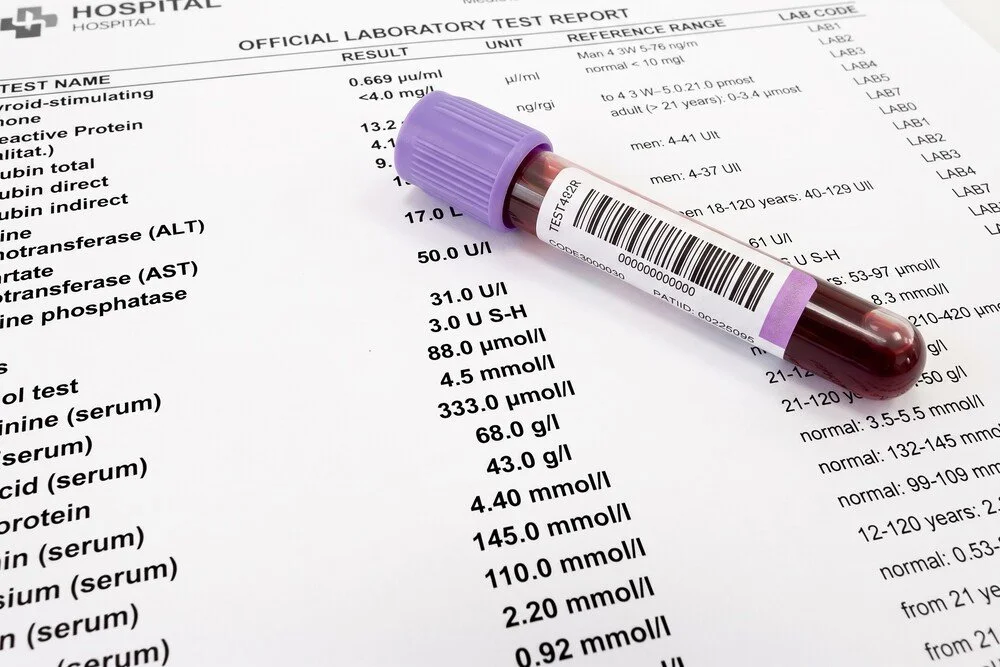
Fundamentals first, always. But there are two places where going deeper genuinely earns its place.
First: find out what's actually going on. Gut symptoms overlap heavily with other issues, food sensitivities, nutritional deficiencies, thyroid problems, inflammation, and guessing wastes months. Huemn Labs offers comprehensive blood panels and food inflammation testing that map exactly these systems, reviewed with a provider under physician oversight. When brain fog, fatigue, and gut symptoms arrive together, testing is how you find out which thread to pull first.
Second: support the systems the gut depends on. The gut-brain axis is a two-way street, which means calming the brain side helps the gut side. Shiftwave resets the nervous system in minutes, and members with stress-driven digestive symptoms often notice the connection quickly. Contrast therapy and sauna support the stress resilience and sleep quality that gut healing depends on. Where testing reveals depletion, IV nutrient therapy restores vitamins and hydration with full absorption. Lymphatic drainage supports the circulation and waste-clearing pathways that run alongside gut health. And for members working on inflammation more broadly, hyperbaric oxygen therapy and red light therapy support the body's repair processes at the cellular level.
Every one of these is support, layered on fundamentals and guided by testing and physician oversight. None of them replace the vegetables. We'll always be straight with you about that.
The Takeaway
The gut-brain connection is real, physical, and running right now: a vagus nerve carrying signals upward, a microbiome shaping your brain chemistry, an immune system taking its cues from your gut lining. Which means healing your gut isn't just a digestive project. It's a mood project, an energy project, a focus project, and a long-term health project, all at once.
Start with the fundamentals: plant diversity, fermented foods, less processed food, real stress management, proper sleep, daily movement, and patience. Get persistent symptoms checked by a doctor. And when you're ready to stop guessing about what's driving the picture, test it properly.
At Huemn, that's how we approach gut health: map your labs, symptoms, and goals into a plan built around what your body actually needs, with physician oversight and zero quick-fix promises.
Your gut has been talking to your brain your whole life. It might be time to listen properly.
Book your free consultation today and start the conversation.
Disclaimer: The statements and content presented in this article have not been evaluated by the U.S. Food and Drug Administration (FDA). We do not diagnose, treat, or claim to treat any health conditions. All services provided by Huemn are intended solely to promote overall wellness, and information is published for educational purposes. Always consult with a healthcare professional before making any decisions related to your health.
Frequently Asked Questions
How are the gut and brain connected?
Through the gut-brain axis, a two-way communication network running via the vagus nerve, neurotransmitters, the microbiome, and the immune system. Roughly 80% of the vagus nerve's fibres carry signals from gut to brain, an estimated 90% or more of your body's serotonin is produced in the gut, and around 70% of your immune tissue sits in and around it. When gut function is disrupted, mood, energy, and focus commonly feel it.
Can gut health really affect anxiety and mood?
The research increasingly says yes. The gut produces the majority of the body's serotonin, the microbiome influences brain chemistry and inflammation, and the vagus nerve carries gut signals directly to the brain. Mood issues are never "just" gut issues, and anyone struggling should speak with a professional, but the gut is a genuine part of the picture.
How long does it take to heal your gut?
The microbiome begins shifting within days of meaningful dietary change, but most people need several weeks to a few months of consistency before symptoms and energy noticeably improve. Deeper issues take longer. Patience and consistency beat intensity, and anyone promising a 3-day gut reset is selling the packaging.
What are the signs of an unhealthy gut?
Alongside the obvious digestive signs, bloating, irregularity, discomfort, reflux, and food reactions, an unhealthy gut often shows up as brain fog, low mood, fatigue that rest doesn't resolve, skin flare-ups, frequent illness, strong sugar cravings, and poor sleep. Persistent symptoms, or red flags like blood in stool, unintended weight loss, or ongoing pain, warrant prompt medical attention.
What is the best way to improve gut health?
Plant diversity is the strongest lever, with a wide weekly rotation of vegetables, fruits, legumes, nuts, seeds, and whole grains feeding a more resilient microbiome. Add daily fermented foods, cut back on ultra-processed food, sugar, and alcohol, manage stress, sleep properly, and move daily. Testing through comprehensive panels and food inflammation testing can identify what's specifically driving your symptoms, reviewed with a provider under physician oversight.