
8 Ways to Support Faster Wound Healing After Surgery
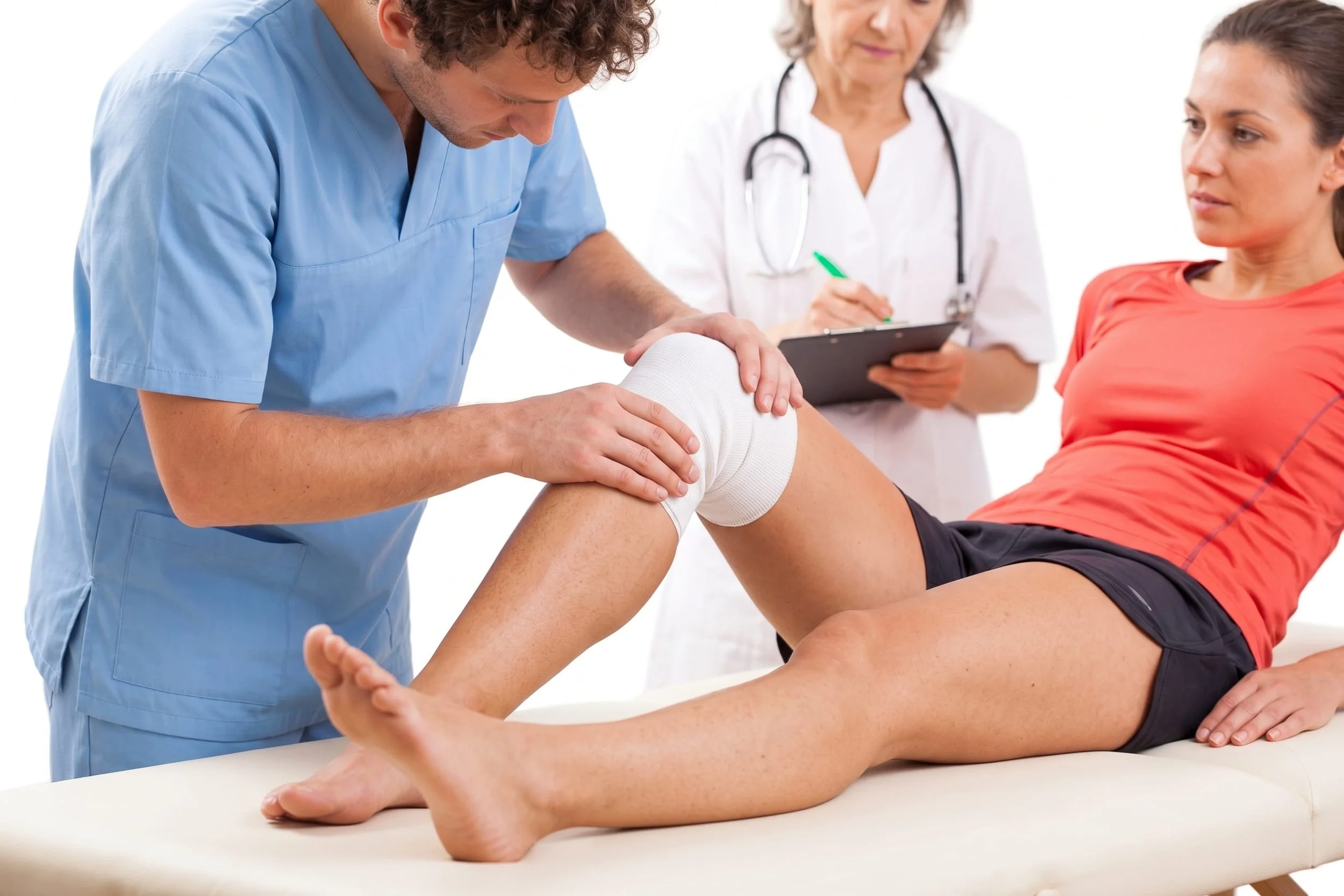
Recovery doesn't always move in a straight line. One week you're making progress, the next you feel stuck, and it's hard to tell whether your body is on track or just taking its time.
Here's the truth: healing after surgery is work. Your body is rebuilding tissue, managing inflammation, and redirecting energy toward repair, all at once. You can't rush that process. But you can support it.
If you've been searching for how to heal faster after surgery, the answer isn't one magic fix. It's a handful of fundamentals done consistently, alongside the plan your surgeon has given you. That last part matters. Everything below is support for your recovery, not a replacement for medical care. Your surgeon and care team lead. These eight strategies help you show up for the process.
1. Prioritise Protein and Real Nutrition
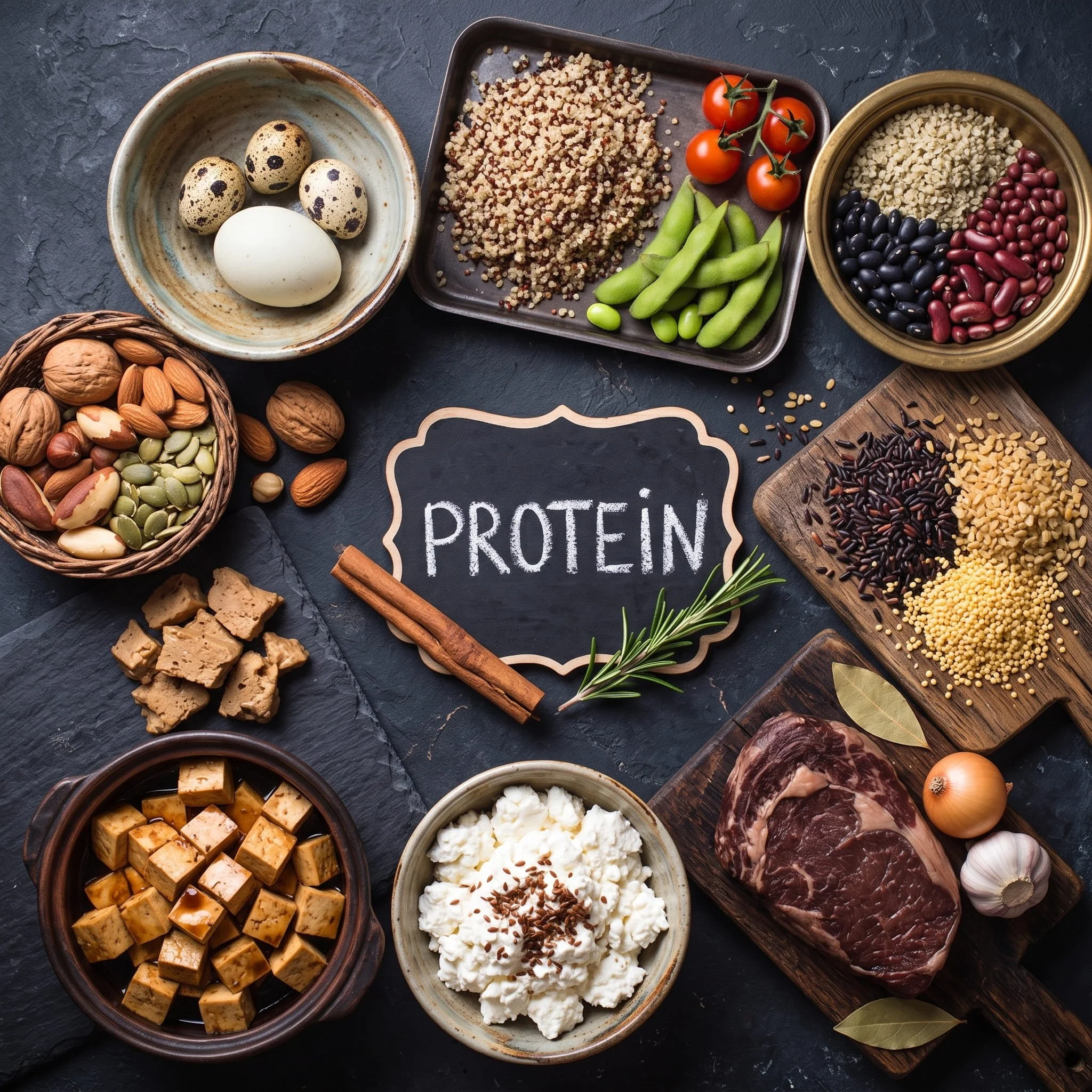
Wound healing is construction work, and protein is the raw material. Your body uses amino acids to rebuild tissue, produce collagen, and repair the surgical site. Under-eat during recovery and you slow the build.
Aim for quality protein at every meal: eggs, fish, poultry, Greek yoghurt, legumes. Add colourful vegetables and fruit for the vitamins and antioxidants that support the repair process. If your appetite is low after surgery, smaller, more frequent meals often work better than forcing three big ones.
Recovery is one of the worst times to under-fuel. This isn't the season for restrictive dieting.

2. Get Serious About Hydration
Every stage of wound healing happens in a hydrated environment. Blood volume, nutrient delivery, waste clearance, skin repair, all of it depends on fluid.
Keep water within reach all day and sip consistently rather than chasing a deficit in the evening. If you're finding it hard to stay on top of hydration, or your recovery has left you depleted, IV therapy can restore fluids and nutrients directly, with 100% absorption. Many of our post-surgical members use it as a reset during the early weeks of recovery. Clear it with your surgeon first, then we'll build it into your plan.

3. Be Smart About Wound Healing Supplements
Wound healing supplements are one of the most searched topics in recovery, and for good reason. A few nutrients play an outsized role in tissue repair:
Vitamin C supports collagen formation, the structural protein your body uses to close and strengthen a wound
Zinc is involved in tissue repair and immune function
Vitamin A supports the skin repair process
Protein and amino acids remain the foundation everything else builds on
Vitamin D supports immune function and is commonly low, especially if you're recovering indoors

4. Move Gently, Sooner Than You Think
Rest matters. But complete immobility works against you. Gentle movement, as approved by your surgeon, keeps circulation flowing to the healing area, reduces stiffness, and lowers the risk of complications.
For most people that starts with short, easy walks, built up gradually. The rule is simple: move within the limits your care team has set, and let consistency do the work. A little movement every day beats one ambitious effort followed by three days on the sofa.

5. Protect Your Sleep Like It's Part of the Prescription
It is, effectively. Deep sleep is when your body does its most concentrated repair work: growth hormone release, tissue regeneration, immune activity. Cut your sleep short and you cut into your recovery.
Aim for a consistent sleep and wake time, keep the room cool and dark, and wind down away from screens. If discomfort is disturbing your sleep, talk to your care team rather than pushing through. Poor sleep that persists is a recovery problem worth solving, not a side note.
6. Support Circulation and Reduce Swelling
Healing tissue needs two things delivered constantly: oxygen and nutrients. Both arrive through your circulation. Swelling, on the other hand, slows everything down, which is why managing it is a core part of post-surgical care.
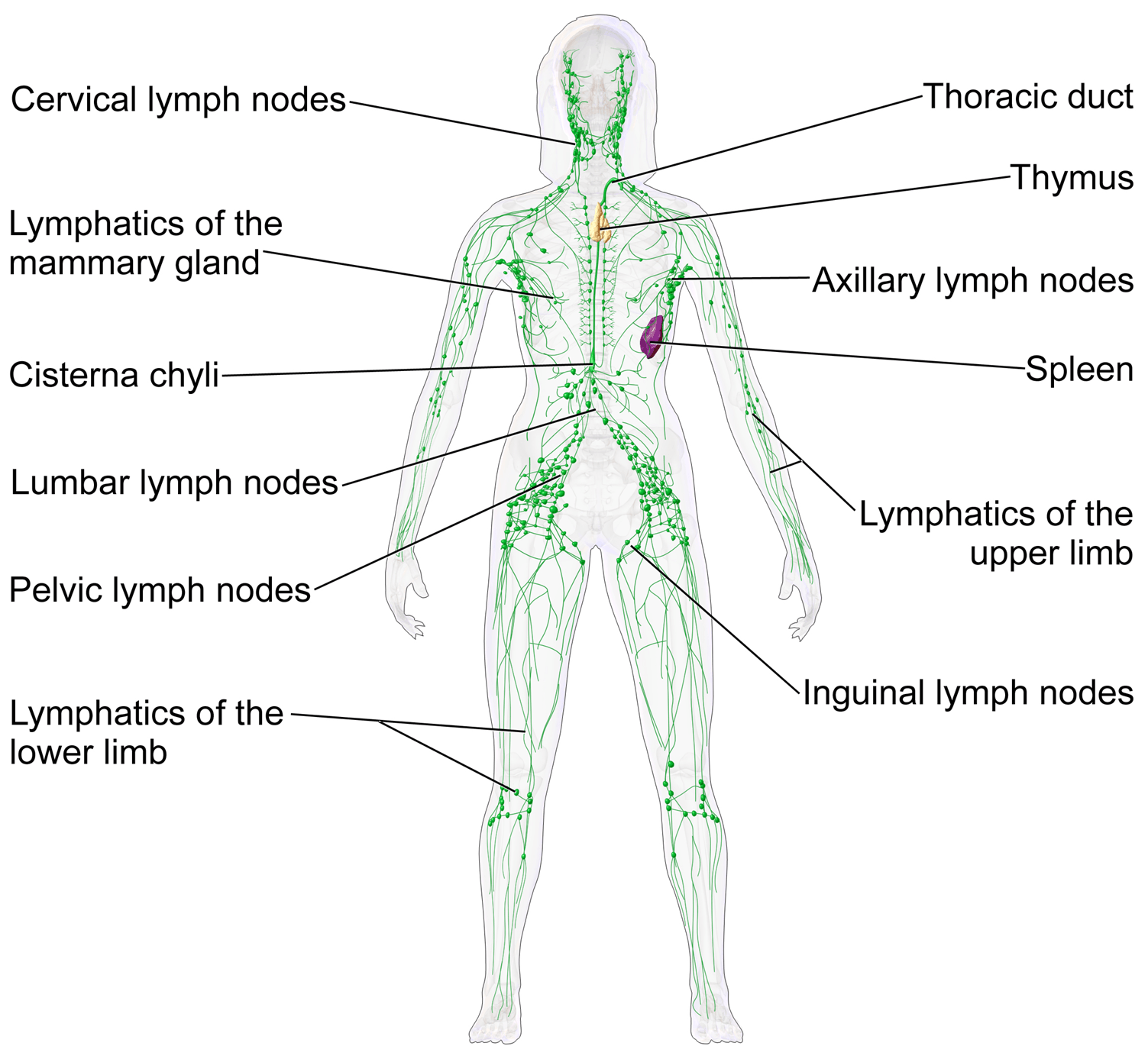
Follow your surgeon's advice on elevation and compression garments. Alongside that, this is where supportive therapies can genuinely earn their place. Lymphatic drainage is one of the most requested services at Huemn for post-surgical members, using sequential compression to reduce swelling and support the body's natural drainage. Class IV laser therapy targets the injury site itself, supporting tissue repair and easing discomfort in minutes-long sessions.
Neither replaces your surgeon's plan. Both are built to support it, and we're always happy to coordinate with your care team.
7. Give Your Tissue More Oxygen to Work With
Here's something most people don't learn until they're deep into recovery: oxygen is one of the most important ingredients in wound healing. Repairing tissue demands far more oxygen than resting tissue, and areas with compromised circulation often heal slowest for exactly that reason.
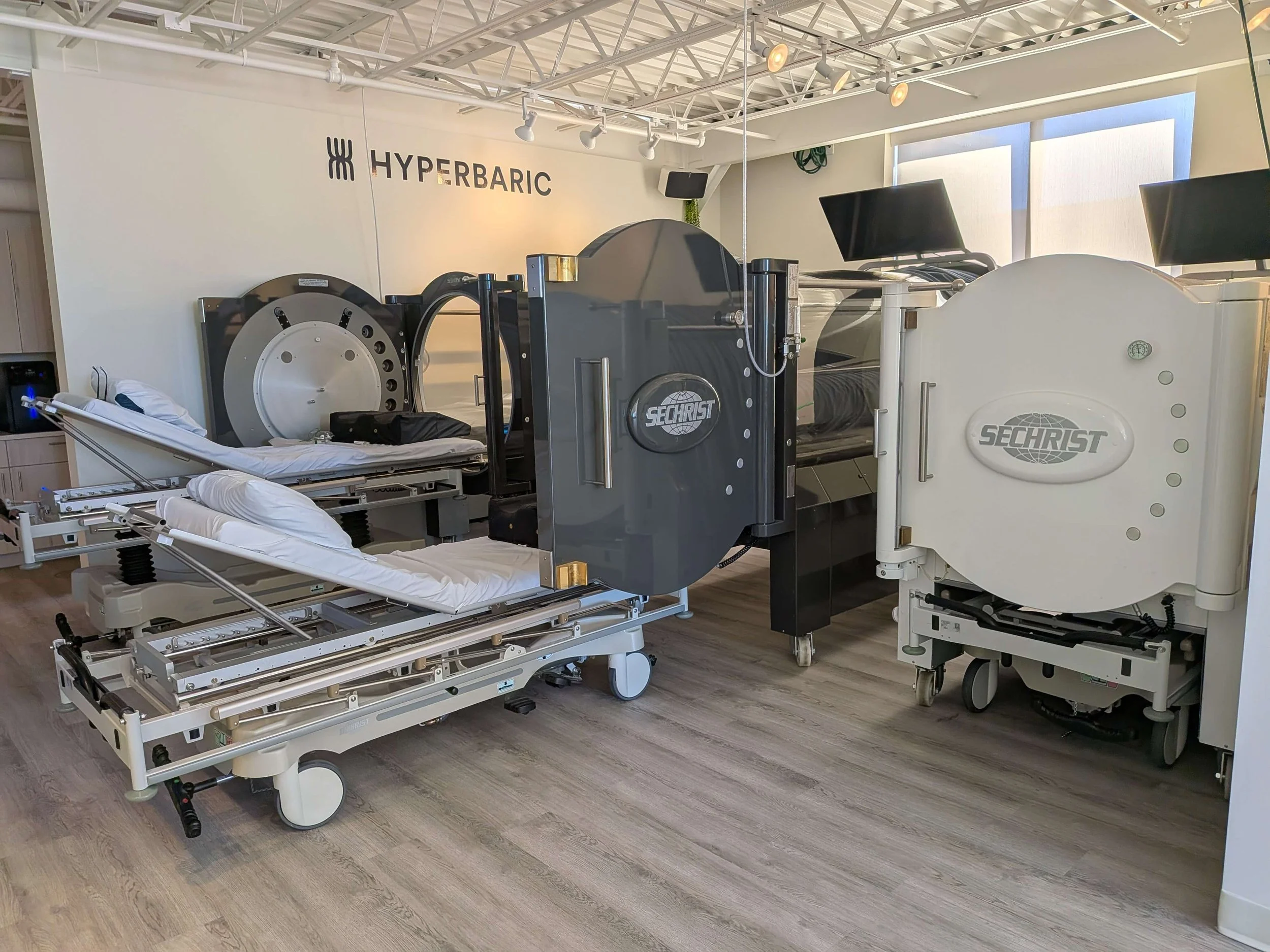
This is why hyperbaric oxygen therapy has an established history in hospital wound care settings. By delivering concentrated oxygen under pressure, HBOT supports tissue oxygenation and the body's natural repair mechanisms, which is why it's one of the cornerstones of our approach to injury and post-surgical recovery support at Huemn.
Every HBOT protocol at Huemn runs under physician oversight, and suitability is confirmed through a medical history review before you start. If you're recovering from a procedure and want to understand whether HBOT fits your situation, that conversation starts with your surgeon and a free consultation with our team.
8. Don't Skip the Boring Stuff
The least glamorous strategies are often the most important:
Follow your wound care instructions exactly. Cleaning, dressing changes, and keeping the site protected are the foundation everything else sits on
Don't smoke. Smoking restricts circulation and is one of the most well-documented obstacles to wound healing
Go easy on alcohol. It disrupts sleep, dehydrates you, and can interfere with medications
Keep every follow-up appointment. Your care team is tracking things you can't see.
Report changes early. Increasing redness, warmth, swelling, discharge, or fever are always worth a call. No concern is too small
Consistency with the fundamentals beats intensity with anything else.
Healing Is a Process. Support It Properly.
There's no shortcut through post-surgical recovery, and anyone promising one isn't being straight with you. What there is: a set of fundamentals that stack. Fuel the repair. Stay hydrated. Sleep like it matters. Move gently. Manage swelling. Give your tissue the oxygen and circulation it needs. And do it all alongside the team who performed your procedure, not around them.
At Huemn, that's exactly how we approach injury and post-surgical recovery support. We look at what your body needs to repair well, circulation, inflammation, and tissue-level healing, and build a supportive plan around it, with physician oversight and guidance from your surgeon or specialist.
Recovery should feel less like waiting and more like progress.
Ready to build your recovery plan? Book a free consultation with our team, and speak with your surgeon about which supportive therapies fit your situation.
Disclaimer: The statements and content presented in this article have not been evaluated by the U.S. Food and Drug Administration (FDA). We do not diagnose, treat, or claim to treat any health conditions. All services provided by Huemn are intended solely to promote overall wellness, and information is published for educational purposes. Always consult with a healthcare professional before making any decisions related to your health.
Frequently Asked Questions
What are the best supplements for wound healing?
The most studied wound healing supplements are vitamin C, which supports collagen formation, zinc for tissue repair and immune function, vitamin A for skin repair, and vitamin D for immune support, all built on a foundation of adequate protein. Supplements support a good diet rather than replace one, and you should always run your supplement list past your surgeon or physician before taking anything new, as some can interact with medications or affect bleeding around a procedure.
What speeds up wound healing after surgery?
The fundamentals do the heavy lifting: quality protein at every meal, consistent hydration, deep sleep, gentle movement as approved by your surgeon, managing swelling, and following your wound care instructions exactly. Avoiding smoking and limiting alcohol matter just as much. Supportive therapies such as hyperbaric oxygen therapy and lymphatic drainage can be layered on top with guidance from your surgeon and physician oversight.
What slows down wound healing?
The most common culprits are smoking, poor nutrition, dehydration, uncontrolled blood sugar, excess alcohol, poor sleep, and reduced circulation to the healing area. Some medications and health conditions also affect healing, which is why your surgeon's guidance and follow-up appointments matter throughout recovery.
How does hyperbaric oxygen therapy support wound healing?
Repairing tissue demands far more oxygen than resting tissue, which is why hyperbaric oxygen therapy has an established history in hospital wound care settings. By delivering concentrated oxygen under pressure, HBOT supports tissue oxygenation and the body's natural repair mechanisms. At Huemn, every HBOT protocol runs under physician oversight, with suitability confirmed through a medical history review, and we always recommend speaking with your surgeon first.
When should I be concerned about a surgical wound?
Contact your care team promptly if you notice increasing redness, warmth, swelling, or discharge at the wound site, a fever, pain that isn't controlled by your recommended approach, or a wound that seems to be getting worse rather than gradually better. No concern is too small, and catching issues early makes them easier to address.