
Adrenal Fatigue vs. Just Being Tired: How to Tell the Difference
Adrenal Fatigue vs. Just Being Tired: How to Tell the Difference
You're tired. Not "long week" tired. The kind of tired where coffee doesn't touch it, sleep doesn't fix it, and 3pm feels like a wall you hit every single day.
So you search why am I always tired, and within minutes the internet hands you a diagnosis: adrenal fatigue. Burned-out adrenal glands, drained by chronic stress, no longer producing the cortisol you need. It sounds right. It feels like you.
Here's where we're going to be straight with you, because that's how we work: the story is more complicated than most of the internet makes it, and understanding the difference matters for actually getting your energy back.
First, the Honest Part: What "Adrenal Fatigue" Actually Is
Adrenal fatigue is the theory that chronic stress exhausts your adrenal glands until they can't keep up with cortisol demand, leaving you depleted.
The problem: it isn't a recognised medical diagnosis. Endocrinology societies have reviewed the evidence and found that the adrenal glands of chronically stressed, exhausted people are almost always working exactly as they should. The glands aren't failing.
Does that mean your exhaustion is imaginary? Absolutely not. This is the part the debate misses. The symptoms people call adrenal fatigue are completely real: crushing tiredness, brain fog, low motivation, poor stress tolerance, disrupted sleep, cravings, that wired-but-tired feeling at night. Something is genuinely wrong. It's just usually not your adrenal glands.
One critical exception: adrenal insufficiency, also called Addison's disease, is a real and serious medical condition where the adrenals genuinely underproduce hormones. It comes with symptoms like significant weight loss, dizziness, low blood pressure, and darkening skin, and it's diagnosed with proper testing. If any of that sounds familiar, see a doctor promptly. It's rare, but it's exactly why guessing at your own diagnosis is a bad idea.

So Why Am I Always Tired? The Real Suspects
If it's usually not the adrenals, what is it? In our experience, persistent fatigue almost always traces back to one or more of these, and often several stacked together:
Chronic stress itself. Not gland failure, but a nervous system stuck in overdrive. Constant low-grade fight-or-flight is metabolically expensive, disrupts sleep quality, and leaves you drained even after a full night in bed.
Sleep that isn't doing its job. Seven hours of fragmented, shallow sleep is not seven hours of recovery. Untreated sleep apnoea, late screens, alcohol, and irregular schedules all quietly steal restoration.
Nutritional deficiencies. Low iron, B12, vitamin D, and magnesium are some of the most common, and most overlooked, drivers of persistent fatigue. You cannot out-supplement a deficiency you haven't identified.
Thyroid issues. An underactive thyroid produces almost exactly the symptom picture people attribute to adrenal fatigue: exhaustion, brain fog, weight gain, low mood. It's testable.
Hormonal imbalances. Testosterone, oestrogen, and cortisol rhythm shifts all affect energy, in men and women.
Blood sugar rollercoasters. Spikes and crashes through the day create energy peaks and slumps that feel like something is broken.
Underlying conditions. Anaemia, depression, chronic infections, and more. Fatigue is one of medicine's most common symptoms precisely because so many systems can produce it.
Notice the pattern: every one of these is identifiable. Which brings us to the actual difference between chasing "adrenal fatigue treatment" and getting your energy back.
Stop Guessing. Start Testing.
Here's the problem with the adrenal fatigue label: it ends the investigation. You buy the adrenal supplements, follow the protocol, and when it doesn't work, you conclude you're broken. Meanwhile the low iron, the thyroid, the sleep issue, whatever is actually driving your fatigue, goes unexamined.
At Huemn, we take the opposite approach. Fatigue is a signal, not a diagnosis, and the first step is finding out what's actually happening in your body.
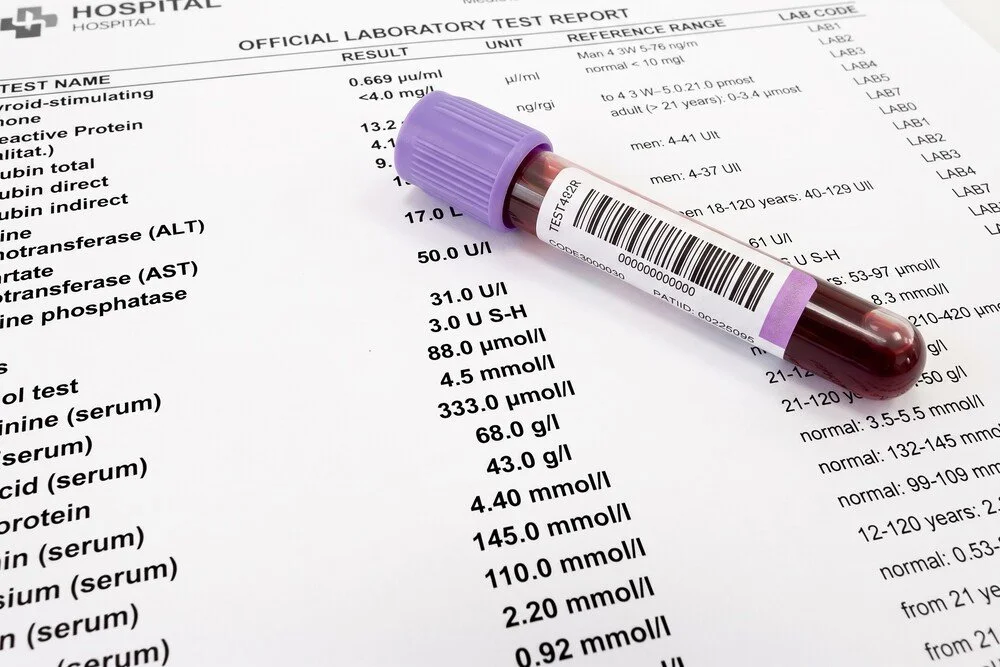
That's what Huemn Labs is built for. Comprehensive blood panels covering thyroid function, iron, B12, vitamin D, hormones, metabolic markers, and inflammation. InBody composition scans. TruAge biological age testing. Real data, reviewed with a provider, under the oversight of our supervising physicians.
Because when you can see the numbers, "why am I always tired" stops being a mystery and becomes a plan.
What Actually Helps: Rebuilding Energy From the Ground Up

Once you know what you're working with, recovery is about supporting the systems that produce energy. No single fix. A stack of fundamentals, done consistently:
Fix the inputs first. Consistent sleep and wake times. Protein and real food at regular intervals. Hydration. Daylight in the morning. Movement most days, even gentle. Boring, unbeatable, non-negotiable.
Correct what the labs found. If testing reveals a deficiency, thyroid issue, or hormonal imbalance, addressing that specific finding, with your provider, does more than any generic protocol ever will.
Replenish efficiently where it helps. For identified deficiencies or depleted periods, IV therapy delivers vitamins, minerals, and hydration directly with full absorption. NAD+ therapy specifically targets cellular energy production, supporting the mitochondria that literally generate your energy, and it's one of our most requested services for members battling persistent fatigue and brain fog.
Regulate the stress response. If your nervous system is stuck in overdrive, teaching it to downshift is a genuine energy strategy. Shiftwave uses pulsed pressure waves to reset the nervous system in minutes, with research showing meaningful reductions in stress and anxiety in a single session. Contrast therapy, cycling between sauna and cold plunge, trains stress resilience while improving sleep quality. Many members describe these as the missing piece.
Support the machinery. Red light therapy supports mitochondrial function at the cellular level. Whole body cryotherapy delivers an energy and mood lift many members feel from the first session. Hyperbaric oxygen therapy supports oxygen delivery, the raw ingredient of cellular energy production. For the right person, guided by testing and provider input, peptide therapy can support recovery, sleep, and hormone rhythms.
None of these are magic. All of them are support, layered on top of the fundamentals and the findings from your labs, with physician oversight. That's the difference between a protocol and a guess.
Adrenal Fatigue vs. Just Being Tired: The Real Answer
So how do you tell the difference? Here's the honest reframe: the question isn't whether you have adrenal fatigue or you're "just tired." The question is what, specifically, is driving your fatigue, because something is.
"Just tired" resolves with a few good nights of sleep and a lighter week. If your exhaustion has persisted for weeks or months, doesn't respond to rest, and comes with brain fog, low mood, poor stress tolerance, or disrupted sleep, that's not a character flaw and it's not something to push through. It's a signal worth investigating properly.
And if you have symptoms like unexplained weight loss, dizziness on standing, or fainting, see a doctor promptly to rule out genuine medical causes, including adrenal insufficiency.
Ready to Find Out What's Actually Going On?
At Huemn, low energy and fatigue is one of the most common concerns that brings people through our doors, and one of the most rewarding to work on. Our approach is simple: test, don't guess. Map your labs, symptoms, and goals into a plan built around what your body actually needs, with physician oversight and zero quick-fix promises.
Energy isn't something you chase. It's something you rebuild, system by system.
Book your free consultation today, and let's find out why you're always tired, properly.
Disclaimer: The statements and content presented in this article have not been evaluated by the U.S. Food and Drug Administration (FDA). We do not diagnose, treat, or claim to treat any health conditions. All services provided by Huemn are intended solely to promote overall wellness, and information is published for educational purposes. Always consult with a healthcare professional before making any decisions related to your health.
Frequently Asked Questions
Is adrenal fatigue a real condition?
The symptoms are real, but adrenal fatigue isn't a recognised medical diagnosis. Endocrinology societies have reviewed the evidence and found that the adrenal glands of chronically stressed, exhausted people are almost always functioning normally. The exhaustion, brain fog, and poor stress tolerance people describe are genuine, they just usually trace back to other identifiable causes such as sleep issues, nutritional deficiencies, thyroid problems, hormonal imbalances, or chronic stress itself.
What is the difference between adrenal fatigue and adrenal insufficiency?
Adrenal insufficiency, also called Addison's disease, is a real and serious medical condition where the adrenal glands genuinely underproduce hormones. It comes with symptoms like significant weight loss, dizziness, low blood pressure, and darkening skin, and it's diagnosed with proper medical testing. Adrenal fatigue, by contrast, is an unrecognised label often applied to stress-related exhaustion. If you have symptoms of adrenal insufficiency, see a doctor promptly.
Why am I always tired even after sleeping?
Persistent tiredness that sleep doesn't fix usually traces back to one or more identifiable causes: fragmented or poor-quality sleep (including undiagnosed sleep apnoea), chronic stress, nutritional deficiencies such as low iron, B12, or vitamin D, thyroid issues, hormonal imbalances, blood sugar swings, or an underlying condition. The right response is testing rather than guessing, because each cause has a different fix.
What is the best treatment for constant fatigue?
There's no single treatment, because fatigue is a symptom with many possible causes. The most effective approach starts with comprehensive testing to identify what's actually driving it, then addresses that specific finding alongside the fundamentals: consistent sleep, regular meals with adequate protein, hydration, daily movement, and stress regulation. Supportive therapies such as NAD+ IV therapy, Shiftwave, and contrast therapy can be layered on top with physician oversight once the underlying picture is clear.
What blood tests should I get for fatigue?
Commonly useful panels include thyroid function, iron and ferritin, B12, vitamin D, metabolic and blood sugar markers, hormone levels, and inflammation markers. At Huemn, comprehensive testing through Huemn Labs covers these systems and is reviewed with a provider under physician oversight, turning persistent fatigue from a mystery into a plan.