
The Sleep-Stress Cycle: Why Poor Sleep and Chronic Stress Feed Each Other
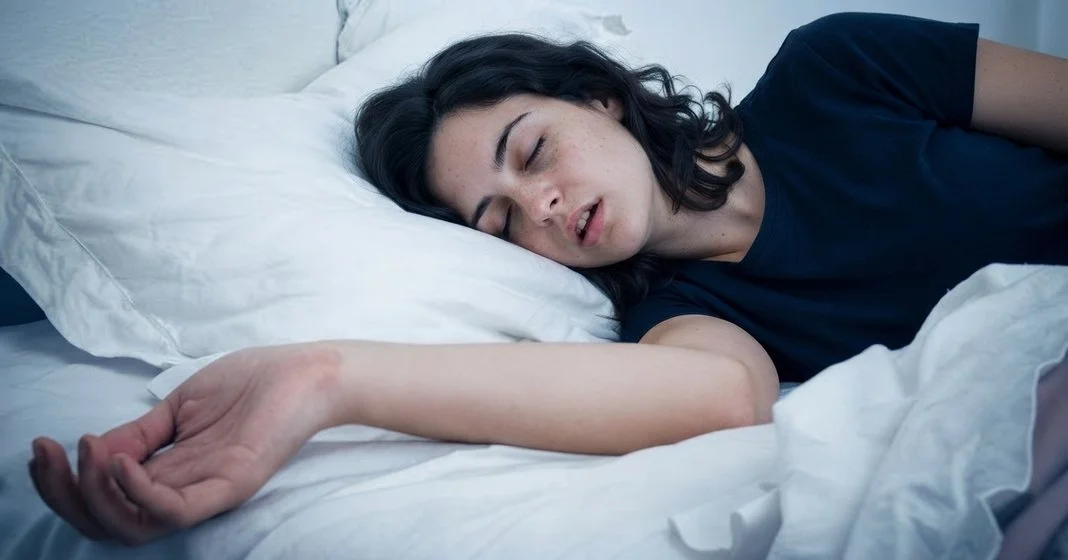
It's 2am. You're exhausted, but your mind is running tomorrow's meeting, last week's conversation, and a list of everything you haven't done. Eventually you sleep, badly. Tomorrow, running on fumes, everything feels harder, more stressful, more overwhelming. And tomorrow night, the wheel spins again.
If that loop sounds familiar, here's the direct answer to why it happens: poor sleep and chronic stress feed each other because they run on the same system, your nervous system, and each one pushes it in the direction that makes the other worse. Stress keeps your body in a state of alert that's incompatible with deep sleep.
Sleep deprivation then weakens the exact brain circuits that regulate stress, so tomorrow's pressures hit harder. It's a genuine physiological cycle, not a willpower problem, and it explains why "just relax" and "just get more sleep" both fail as advice. You can't fix one side while the other keeps sabotaging it.
The good news: cycles that feed each other can also be broken from either side, and breaking it from both sides at once is faster still. Below we'll cover how the loop actually works, how to sleep better, the stress management techniques that genuinely calm the system, and when the cycle deserves professional attention.
How the Sleep-Stress Cycle Actually Works
Stress sabotages sleep. When your brain perceives pressure, it activates the sympathetic nervous system, the fight-or-flight response, releasing cortisol and adrenaline. Heart rate rises, muscles tense, senses sharpen. Brilliant for escaping danger. Terrible for falling asleep, because sleep requires the opposite state: the parasympathetic system, rest-and-digest, in charge. Chronic stress keeps cortisol elevated into the evening, exactly when it should be falling, which is why a stressed brain lies down tired and immediately starts racing.
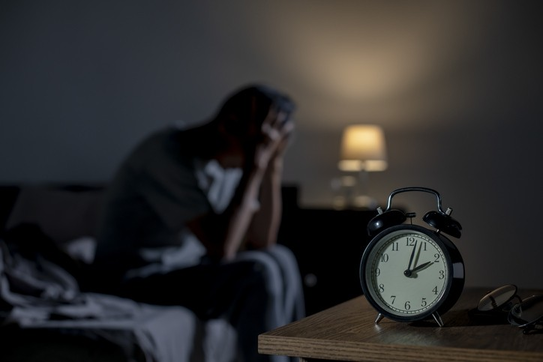
Poor sleep amplifies stress.
Sleep is when your brain regulates itself. Deep sleep restores the prefrontal cortex, the region that manages perspective, judgement, and emotional control, while processing the day's emotional load. Cut sleep short and you wake with an amygdala, the brain's alarm system, that's measurably more reactive and a prefrontal cortex less able to calm it. Research shows sleep-deprived brains react far more strongly to negative stimuli. In plain terms: everything genuinely feels more stressful because your brain's braking system didn't get serviced overnight.
And around it goes. More stress means worse sleep. Worse sleep means more reactivity, more cortisol, more stress. Left running, the loop compounds into the familiar picture: wired at night, exhausted by day, irritable, foggy, run down, and increasingly convinced this is just who you are now.
It isn't. It's a cycle, and cycles have entry points.
When to Get Help First
Before the practical section, the important caveat.
Speak with a doctor or mental health professional promptly if:
Insomnia has persisted for months despite genuine effort on the basics
You snore heavily, gasp in your sleep, or wake unrefreshed every day (possible sleep apnoea, which is common, serious, and very treatable)
Anxiety or low mood is significantly affecting your daily life
You're relying on alcohol or medication to get to sleep
You're having thoughts of harming yourself, in which case reach out for support immediately
Sleep disorders and anxiety conditions are real, diagnosable, and treatable, and no wellness routine replaces proper care for them. Rule the serious causes out, then build from there. Both can happen at once.
How to Sleep Better: Breaking the Cycle From the Sleep Side
Searches for how to sleep better usually return the same recycled sleep hygiene list. The fundamentals genuinely matter, but the framing matters more: everything below works by convincing your nervous system that it's safe to stand down. That's the actual job.
Keep a consistent schedule, even at weekends. Your circadian rhythm is a prediction machine. Same sleep and wake times teach it when to release melatonin and drop cortisol. Erratic timing keeps it guessing, and a guessing rhythm is a shallow one.
Get morning light. Ten to twenty minutes of daylight soon after waking anchors your body clock and sets up the evening melatonin rise. It's the most underrated sleep intervention there is, and it happens twelve hours before bedtime.
Build a wind-down runway. Your nervous system can't go from inbox to unconscious in ten minutes. Give it 30 to 60 minutes of genuinely lower stimulation: dim lights, no work, screens down or at least out of bed. The runway is where the parasympathetic handover happens.
Cool, dark, quiet. Core body temperature needs to drop for deep sleep. A cool room, and for many people a warm shower beforehand (the after-drop helps), supports it.
Audit caffeine and alcohol. Caffeine has a long half-life, afternoon coffee is still in your system at midnight. Alcohol sedates you into shallow sleep and then fragments the second half of the night. Both are stealth contributors to the cycle.
Don't lie there battling. If you're awake and wound up after 20 minutes or so, get up, keep lights low, do something calm, and return when sleepy. Beds should mean sleep, not struggle. And park the racing mind on paper: a quick brain-dump of tomorrow's list before bed measurably quiets the 2am rehearsals.
Stop clock-watching. Checking the time feeds the exact stress response keeping you awake. Turn the clock around.
Stress Management Techniques That Actually Calm the System
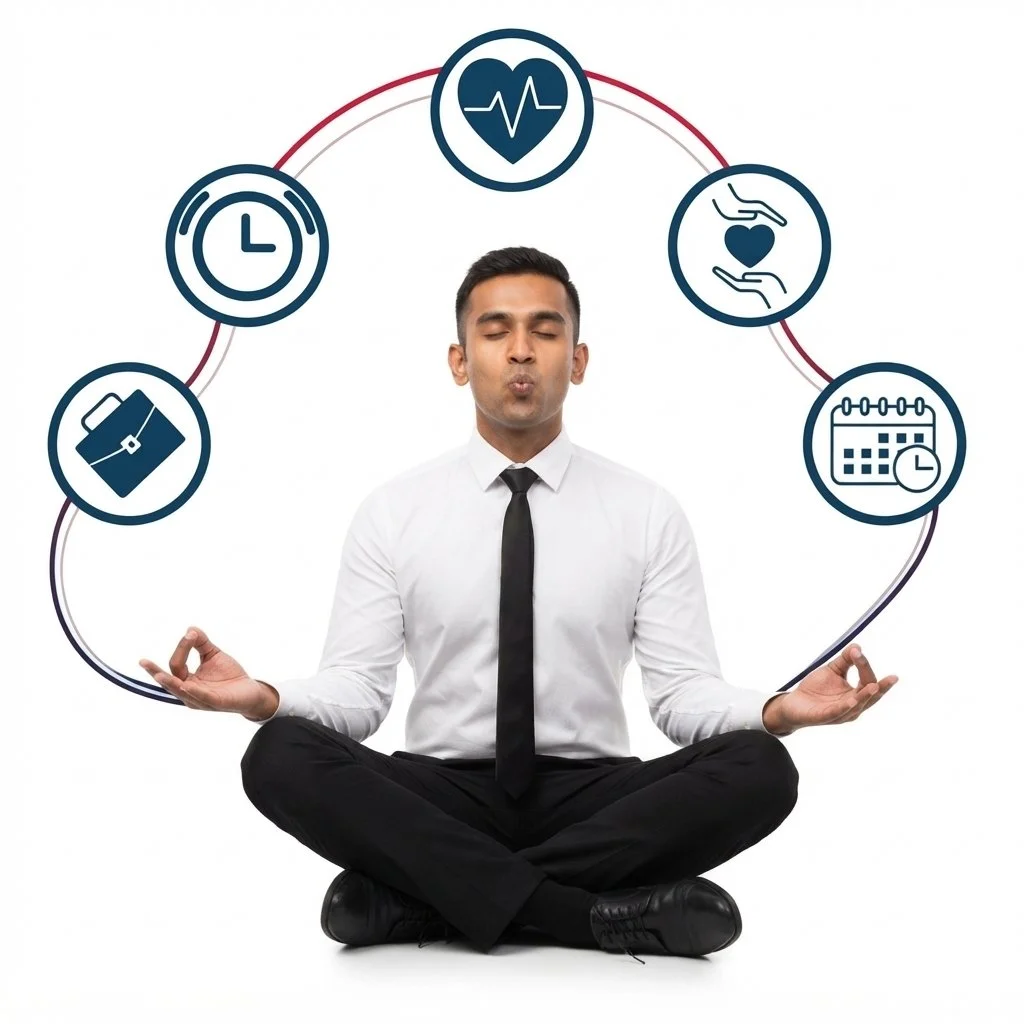
The other entry point. Effective stress management techniques share one feature: they don't just distract you from stress, they physiologically shift the nervous system out of fight-or-flight. That's the standard to hold them to
Slow breathing, done properly. Extending your exhale longer than your inhale directly stimulates the vagus nerve, the main lever of the parasympathetic system. Try four counts in, six to eight out, for five minutes. It's the fastest reliable downshift you carry with you everywhere.
Daily movement. Exercise metabolises stress hormones and is one of the best-evidenced supports for both mood and sleep. Timing matters: hard training late in the evening can be stimulating, so keep intense sessions earlier where possible.
Time outdoors. Daylight, nature, and walking stack three regulators in one habit.
Scheduled worry, not constant worry. Ten minutes of deliberate problem-listing earlier in the day, with next actions written down, gives the rumination somewhere to live that isn't your pillow.
Genuine downtime. Not scrolling, which is stimulation dressed as rest. Reading, music, cooking, conversation, hobbies with your hands. The nervous system reads these as safety.
Deliberate heat and cold. Sauna use is strongly associated with relaxation and improved sleep, and cold exposure trains your stress response under controlled conditions, building the resilience that makes daily stressors land softer.
Say the quiet part. If workload, relationships, or finances are the engine of the stress, no technique out-regulates an unaddressed problem. Sometimes the stress management technique is a hard conversation or a boundary.
Where Huemn Fits: Regulating the System From Both Sides
This is the concern our menu was practically built for, because so much of what we do targets the nervous system directly:
Shiftwave is the natural starting point. Pulsed pressure waves reset the nervous system in as little as 10 minutes, with research at Tulane Medical School showing a 28% reduction in anxiety and 41% reduction in stress in a single 15-minute session. Synthetic Sleep journeys mimic aspects of deep sleep itself, and many members with racing minds describe Shiftwave as the first reliable off-switch they've found.
Contrast therapy, sauna, and cold plunge work both sides of the cycle: heat promotes relaxation and supports sleep quality, cold trains stress resilience, and the combination regulates the nervous system while delivering the post-session calm members consistently rave about. Whole body cryotherapy adds the same endorphin-and-reset response in 3.5 minutes.
The PBM helmet supports brain function and has journeys relevant to stress and clarity, while PEMF and red light therapy support cellular recovery and the calm, regulated state good sleep depends on. Compression therapy and lymphatic drainage round out the physical relaxation stack.
And if you've been running the cycle for months, Huemn Labs can test what it's been costing you: cortisol patterns, thyroid function, vitamin D, B12, iron, blood sugar, and inflammation, reviewed with a provider under physician oversight. Chronic stress and poor sleep leave fingerprints in your blood work, and seeing them turns a vague struggle into a specific plan.
Every one of these is support layered on the fundamentals, never a replacement for them, and never a substitute for professional care where sleep disorders or anxiety conditions are in the picture. We're always happy to work alongside your doctor's guidance.
The Takeaway
Poor sleep and chronic stress aren't two problems. They're one loop, running on your nervous system, each side funding the other. Which is exactly why the way out works from both directions at once: anchor the sleep fundamentals, practise stress regulation that actually shifts your physiology, address the real-life drivers, and get professional help where the picture warrants it.
The loop compounds. So does breaking it. Better sleep makes tomorrow less stressful, less stress makes tomorrow night's sleep deeper, and week by week the cycle starts spinning in your favour.
At Huemn, that's how we approach stress, sleep and the nervous system: map your labs, symptoms, and goals into a plan built around what your nervous system actually needs, with physician oversight and zero quick-fix promises.
The wheel only spins the way it's pushed. Push it the other way.
Book your free consultation today and start breaking the cycle.
Frequently Asked Questions
Why can't I sleep even when I'm exhausted?
Because tired and calm are different states. Exhaustion is high sleep pressure, but if your nervous system is still in fight-or-flight, elevated cortisol, racing thoughts, tense body, it overrides that pressure. This is the sleep-stress cycle in action, and it's why wind-down routines, breathing techniques, and nervous system regulation work where simply going to bed earlier doesn't.
How does stress affect sleep?
Stress activates the sympathetic nervous system and keeps cortisol elevated into the evening, exactly when it should be falling. That delays sleep onset, lightens sleep depth, and increases night waking. Poor sleep then weakens the brain circuits that regulate stress, making the next day's pressures feel bigger, which is how the cycle sustains itself.
What is the fastest way to calm your nervous system?
Slow breathing with extended exhales, roughly four counts in and six to eight out, is the fastest reliable tool, directly stimulating the vagus nerve within minutes. Beyond that, supportive options like Shiftwave produce measurable stress reductions in a single short session, and regular practices such as sauna, cold exposure, and daily movement build a calmer baseline over time.
How much sleep do I need to manage stress?
Most adults need seven to nine hours. Consistently getting less measurably increases emotional reactivity and stress hormone levels, and even one short night makes the brain's alarm system more trigger-happy. Consistency matters as much as quantity: regular timing strengthens the rhythm that makes those hours restorative.
When should I see a doctor about sleep or stress?
Promptly, if insomnia has persisted for months despite genuine effort, if you snore heavily or wake unrefreshed daily, if anxiety or low mood is significantly affecting your life, or if you're relying on alcohol or medication to sleep. Sleep disorders and anxiety conditions are common, diagnosable, and treatable, and getting them assessed is the strongest move you can make.
Disclaimer: The statements and content presented in this article have not been evaluated by the U.S. Food and Drug Administration (FDA). We do not diagnose, treat, or claim to treat any health conditions. All services provided by Huemn are intended solely to promote overall wellness, and information is published for educational purposes. Always consult with a healthcare professional before making any decisions related to your health.