
A practical guide to chamber standards, safety oversight, and clinical qualifications
As hyperbaric oxygen therapy becomes more widely available, many patients ask an important question: how to tell if a clinic uses a medical grade hyperbaric chamber.
Not all hyperbaric clinics are created equal.
There is a significant difference between medical-grade hyperbaric chambers used in hospitals and physician-led facilities versus non-medical or soft-sided systems found in wellness settings. Understanding these differences is critical for safety, effectiveness, and outcomes.
At Huemn, patient education is a core part of care. Knowing what to look for helps patients choose a clinic that is properly equipped, medically supervised, and aligned with evidence-based hyperbaric medicine.
Key Takeaways
Medical-grade hyperbaric chambers differ significantly from soft chambers
FDA clearance, pressure capability, and clinical oversight matter
Physician involvement and trained staff are essential
Medical-grade chambers are used in hospitals and accredited facilities
Asking the right questions helps patients make an informed decision
What Is a Medical Grade Hyperbaric Chamber?
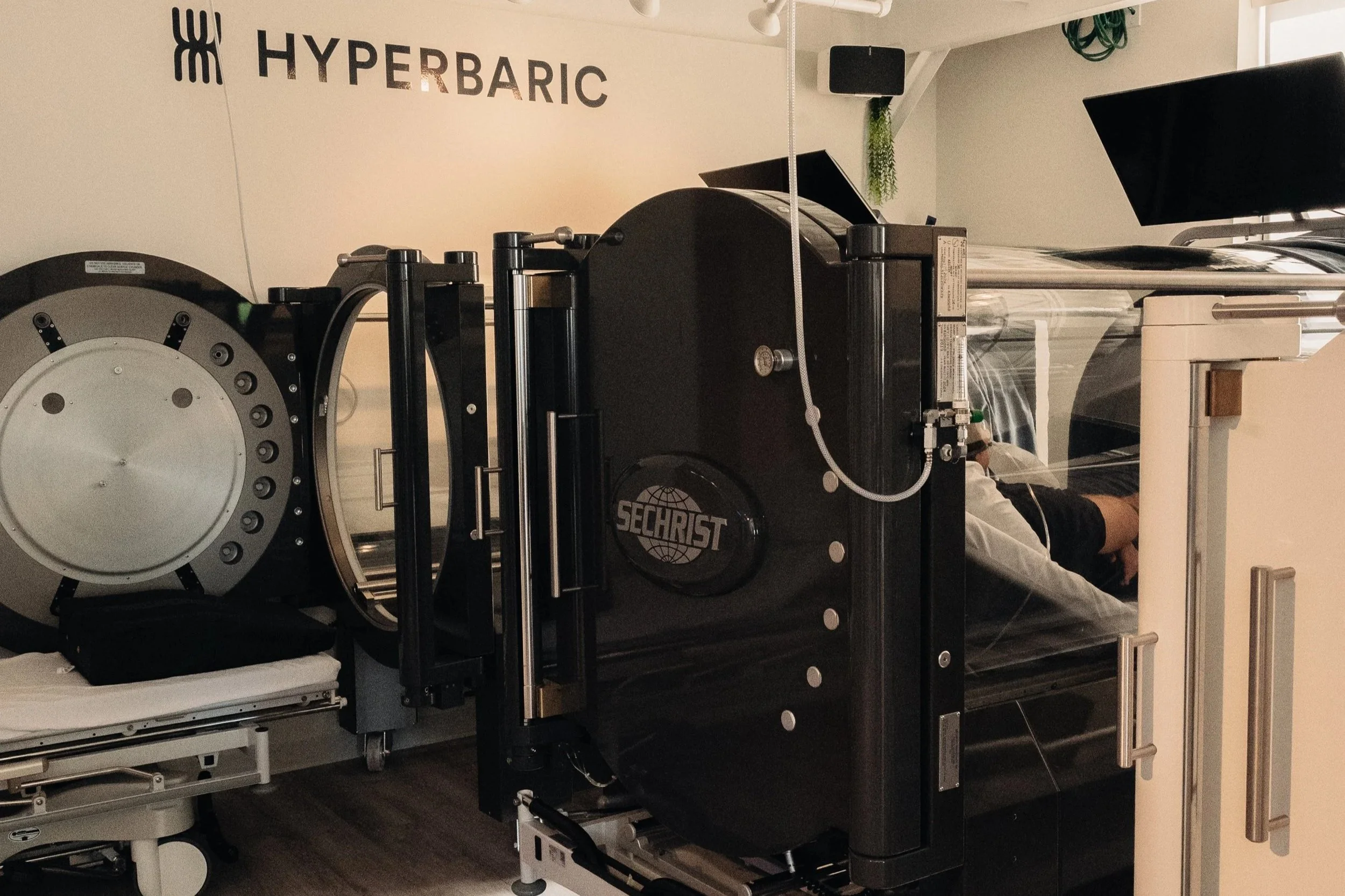
A medical grade hyperbaric chamber is a regulated medical device designed to safely deliver hyperbaric oxygen therapy under controlled conditions.
These chambers are used in hospitals and physician-led facilities as part of hyperbaric medicine for approved medical conditions such as diabetic foot ulcers, non healing wounds, wound healing complications, and sudden sensorineural hearing loss.
Medical-grade hyperbaric oxygen chambers are designed to:
Deliver 100% oxygen
Reach therapeutic pressure levels
Maintain precise control over air and oxygen flow
Support emergency procedures if needed
These chambers are fundamentally different from consumer or wellness devices.
Why Medical Grade Matters
Medical-grade equipment is essential because hyperbaric oxygen therapy directly affects pressure, oxygen delivery, and tissue response. Improper equipment or inadequate supervision increases risk and reduces potential benefits.
In medical settings, hyperbaric chambers are used to treat wounds, support healing, and aid recovery for specific indications supported by research and FDA guidance. This level of treatment requires appropriate devices, trained professionals, and strict safety protocols.
Certifications That Define a True Medical-Grade Hyperbaric Chamber
When evaluating whether a hyperbaric chamber is truly medical grade, engineering and safety certifications matter. Two certifications are especially important:
ASME Certification (American Society of Mechanical Engineers)
ASME certification confirms that a hyperbaric chamber meets strict standards for the design, construction, and testing of pressure vessels. These standards are widely used in hospitals and medical facilities to ensure chambers can safely withstand repeated pressurization under clinical conditions.
PVHO-1 Certification (Pressure Vessels for Human Occupancy)
PVHO-1 is a specialized safety standard created specifically for pressure vessels designed to hold people. It governs materials, fabrication, inspection, and ongoing safety requirements for human occupancy under pressure and is a key marker of legitimate medical-grade hyperbaric equipment.
Together, ASME and PVHO-1 certifications are among the most important indicators that a hyperbaric chamber is engineered for clinical use rather than consumer or wellness applications.
Certification Stamps and FDA Documentation
Medical-grade hyperbaric chambers will typically display an official certification stamp indicating compliance with ASME and PVHO-1 standards. These stamps can be visually identified on the chamber itself.
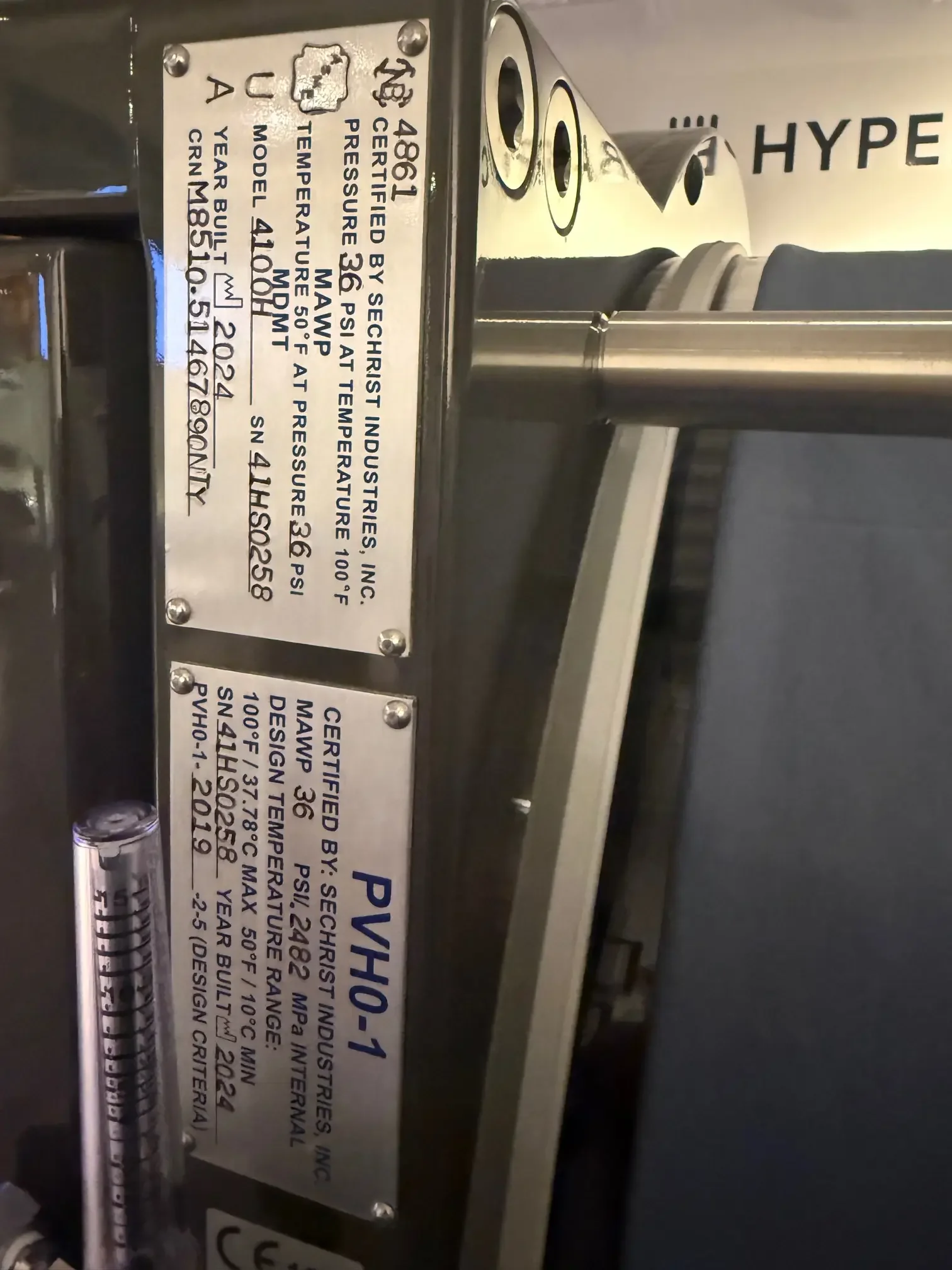
A properly cleared medical hyperbaric clinic should be able to provide FDA 510(k) clearance documentation for their chambers upon request. This level of transparency helps patients verify that the equipment meets U.S. regulatory requirements and is intended for medical use.
Being able to see certification markings and review FDA clearance is an important differentiator when choosing a hyperbaric clinic, and it is a standard Huemn upholds. Our commitment to verified certifications, medical-grade equipment, and transparent documentation is what differentiates Huemn from clinics operating outside true medical hyperbaric standards.
Hard Chambers vs. Soft Chambers
One of the clearest ways to tell if a clinic uses medical-grade equipment is the type of chamber used.
Hard chambers:
Made of rigid materials
Capable of reaching higher pressure levels
Used in hospitals and medical facilities
FDA-cleared for medical use
Soft chambers or soft sided chambers:
Made of flexible materials
Operate at much lower pressure
Often marketed for home or wellness use
Limited in medical application
While soft chambers may be marketed widely, they are not equivalent to hard chambers used in hyperbaric clinics practicing evidence-based care.
Questions to Ask a Hyperbaric Clinic
Patients evaluating different clinics should ask several questions before starting treatment:
Is the hyperbaric chamber FDA approved or cleared?
What pressure levels does the chamber reach?
Is a physician involved in evaluation and treatment planning?
Are nurses or trained medical staff present during treatment?
Is the clinic inspected by the local fire marshal and compliant with safety regulations?
The answers help patients evaluate whether a clinic is equipped to deliver medical-grade care.
Safety, Oversight, and Regulation
Medical-grade hyperbaric therapy operates within a regulated framework. FDA oversight, facility inspections, and adherence to safety protocols are essential.
Reputable hyperbaric clinics follow:
Established hyperbaric medicine guidelines
Recommendations from organizations such as the Hyperbaric Medical Society
Fire safety standards
Emergency preparedness procedures
Medical oversight reduces risk, ensures proper operation, and protects patients throughout the course of treatment
HbOT at Huemn
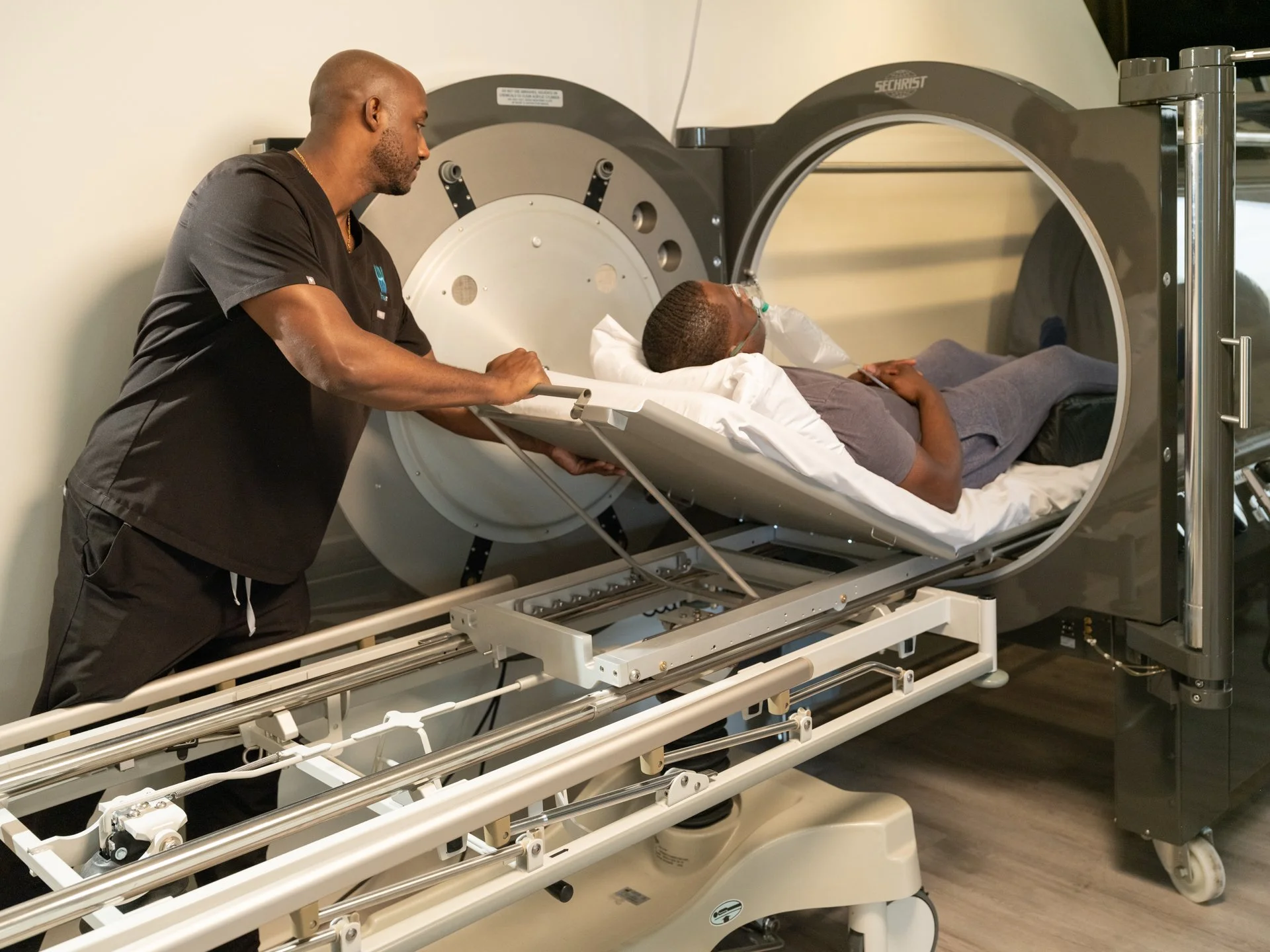
At Huemn, hyperbaric oxygen therapy is delivered using medical-grade hyperbaric chambers in a physician-led clinical environment. Every patient undergoes a medical evaluation, and each treatment plan is tailored to the individual’s specific condition and goals.
Huemn emphasizes:
FDA-cleared medical devices
Physician supervision
Trained clinical staff
Safety-first protocols
Transparent education and support
This approach ensures hyperbaric oxygen therapy is delivered responsibly and effectively.
FAQs
-
No. Only hard chambers that meet regulatory standards and are used in medical facilities qualify as medical grade.
-
Therapeutic pressure levels are required to deliver enough oxygen to tissues for medical benefit.
-
Yes. Medical-grade hyperbaric therapy should be supervised by a physician and trained medical staff.
-
Most soft chambers are FDA-cleared only for wellness use, not for treating medical conditions.
-
Patients can ask about FDA clearance, staff qualifications, safety inspections, and facility standards.
Summary
Knowing how to tell if a clinic uses a medical grade hyperbaric chamber empowers patients to make safer, more informed healthcare choices.
Medical-grade chambers, proper pressure capability, trained professionals, and regulatory compliance are not optional — they are critical. When evaluating a clinic, asking the right questions can help ensure the care you receive meets medical standards and supports meaningful healing.